
The Date Change Loophole That Catches Airbnb Hosts Off Guard
A guest inside the cancellation window asks to move their dates. The host agrees. A couple of hours later, the guest cancels from outside the window, penalty-free. It is a known pattern and it has a name.

The booking had been sitting on his calendar for weeks. A guest who stood to lose half the booking value if they cancelled sent a message asking to move the reservation to different dates. The story was sympathetic. The request seemed reasonable. He agreed to modify the booking.
A couple of hours later, the guest cancelled. The new dates sat outside the cancellation penalty window. The guest paid nothing. The host had an empty calendar and no recourse.
He was not the only one this had happened to. Across the hosting community, the same sequence had played out for enough people that the pattern has a name. Hosts call it the reset trick.
How it works mechanically
Cancellation policies on short-term rental platforms typically protect hosts by holding part or all of the booking payment if a guest cancels within a defined window before the stay. A strict cancellation policy might hold fifty percent of the booking if the guest cancels within seven days of arrival. A moderate one might hold the first night only.
The reset trick works because modifying a booking, changing the dates, resets the cancellation clock. When a guest inside the penalty window requests a date change, and the host approves it, the booking is now at the new dates, and the cancellation timeline starts over from there.
This is a platform mechanic, not a host policy. It operates regardless of what the host intended when they agreed to the change. A host who approved the modification in good faith is exposed to the same outcome as a host who was naive about what was happening. Intention does not protect the calendar.
What the pattern looks like before you know it
The request typically sounds like a genuine change of plans. Something came up at work. A family commitment moved. The original dates no longer work, but they are still interested in staying, just at a different time. The story is plausible because most of the time, when guests ask to change dates, they have a real reason.
What distinguishes the reset attempt from a genuine change of plans, before the cancellation happens, is almost nothing visible. Both arrive as a polite message asking for flexibility. Both have plausible reasons. The difference shows up only afterward, when the guest cancels the rescheduled booking without penalty.
The clearest signal, if you are looking for one, is the timing. A guest who requests a date change well outside the cancellation window has nothing to gain from the reset. A guest who requests a change specifically when they are inside the penalty period, or who chooses new dates that are just barely outside it, is showing you the math they are doing even if they do not say so.
The approach that protects you
The hosts who have navigated this most successfully tend to have the same default response to date change requests inside the cancellation window: they do not modify the booking. They direct the guest to cancel and, if the property gets rebooked by someone else, they offer to refund whatever the replacement booking generates.
This approach keeps the cancellation policy intact. The guest can still recover some or all of their payment if the dates are rebooked, which is fair if their reason was genuine. But the host is not exposed to the scenario where the modification removes all protection and then the guest cancels.
Being clear upfront that any rebooking may happen at a different rate is important. If demand has changed since the original booking, the new rate may be lower. The guest who is genuinely just changing plans understands this. The guest who was trying to exit penalty-free understands something else.
The platform as an unexpected ally
One host described calling the platform directly when she suspected a reset attempt. She explained the situation and what she believed the guest was trying to do. The platform responded by contacting the guest with a specific clarification: the reschedule would be permitted, but the new dates would carry the same cancellation terms as the original booking and could not be cancelled without penalty.
The guest quickly decided to keep the original dates.
This outcome reveals something useful: platform support is sometimes able to apply cancellation terms to modified bookings in a way that closes the reset window. It is not a guaranteed result, and it requires the host to contact support proactively and explain the situation clearly. But it is an option worth knowing exists.
When date changes are genuinely what they appear to be
The reset trick exists. So do genuine change-of-plans requests from guests who have real reasons for needing different dates and no interest in gaming the system. The challenge is that the two situations can look identical at the point of request.
Context helps. A guest with a long positive review history is less likely to be attempting a manipulation than a guest with a brand new account. A request that arrives well before the cancellation window is meaningfully different from one that arrives the day the penalty kicks in. A guest who is asking to move by a day or two is in a different category from one who wants to move the entire reservation by a month.
The most useful framing is not can this be a reset attempt, but rather: can I protect myself against that possibility without treating every guest who asks to change dates as a bad actor? The answer is yes. The path is the cancel-and-rebook process, explained clearly and applied consistently, which protects you regardless of the guest's actual intention while remaining genuinely fair to the ones who had a real reason.
Airbnb optimization specialist, Superhost, and founder of one of the largest Airbnb host communities.
Continue Reading
Chosen for you from The Optimization Journal.
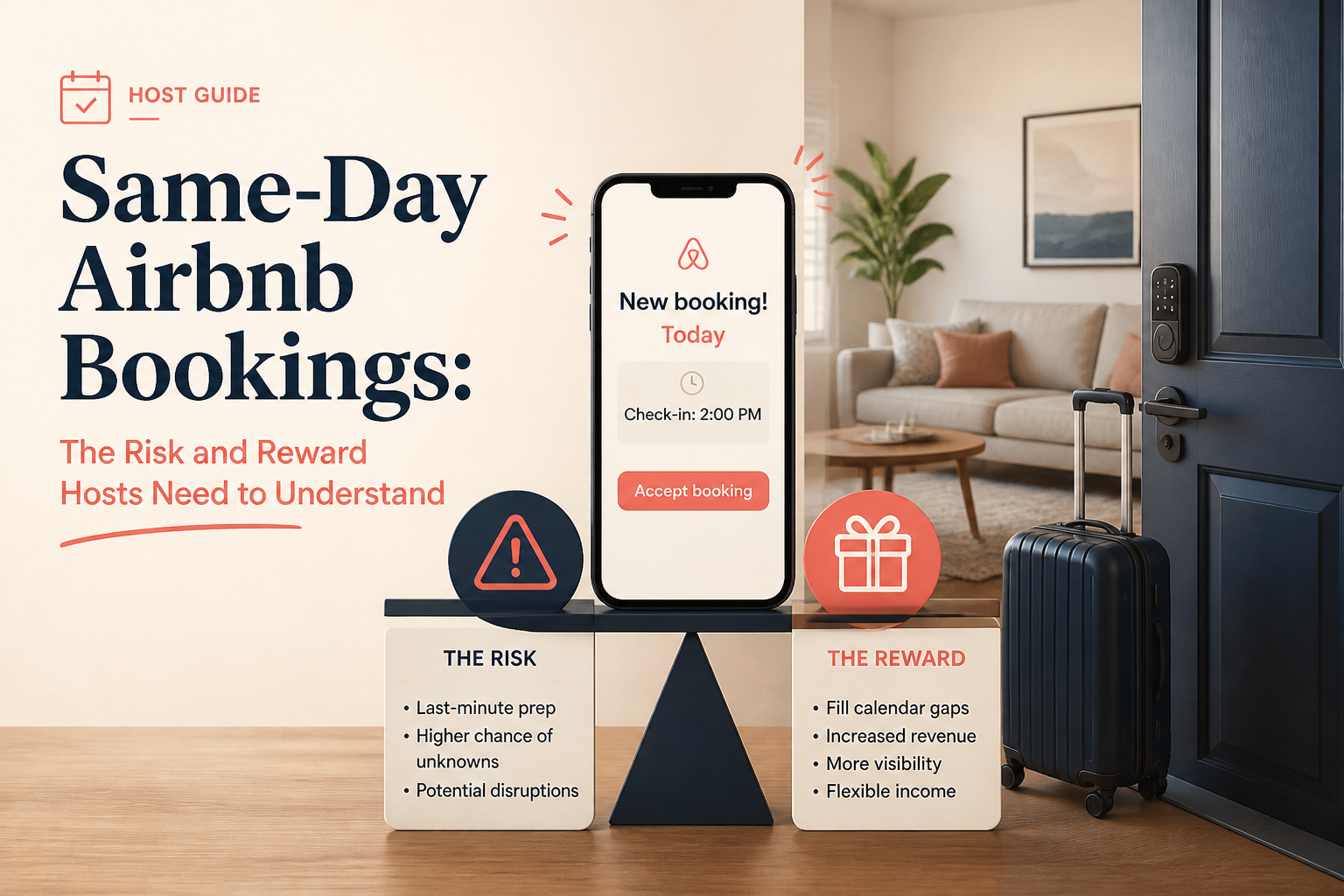 Same-Day Airbnb Bookings: The Risk and Reward Hosts Need to Understand
Two hosts. Same situation. Completely opposite experiences. The difference between them was not luck — it was systems.
6 min read How Check-In Flexibility Becomes One of Your Best Hospitality Tools
The gesture that costs you nothing can be worth more than any amenity you add to your listing. Here's how to make check-in flexibility work in your favor.
5 min read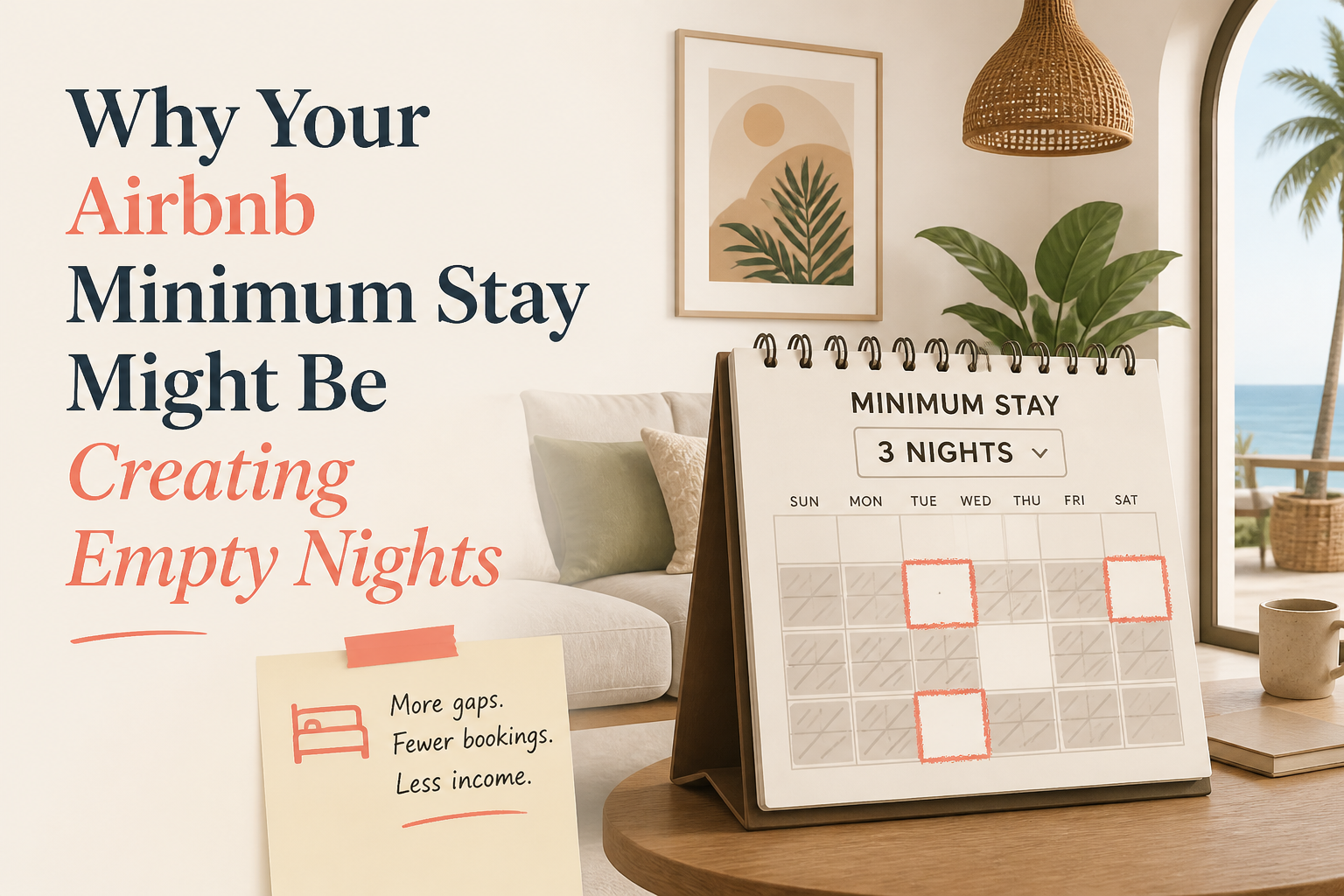 Why Your Airbnb Minimum Stay Might Be Creating Empty Nights
Minimum-stay rules can protect your calendar, reduce turnovers, and help you avoid low-value reservations. But the same rule can also create gaps that become nearly impossible to book. The trick is knowing when to hold your minimum and when the calendar is telling you to adjust it.
5 min read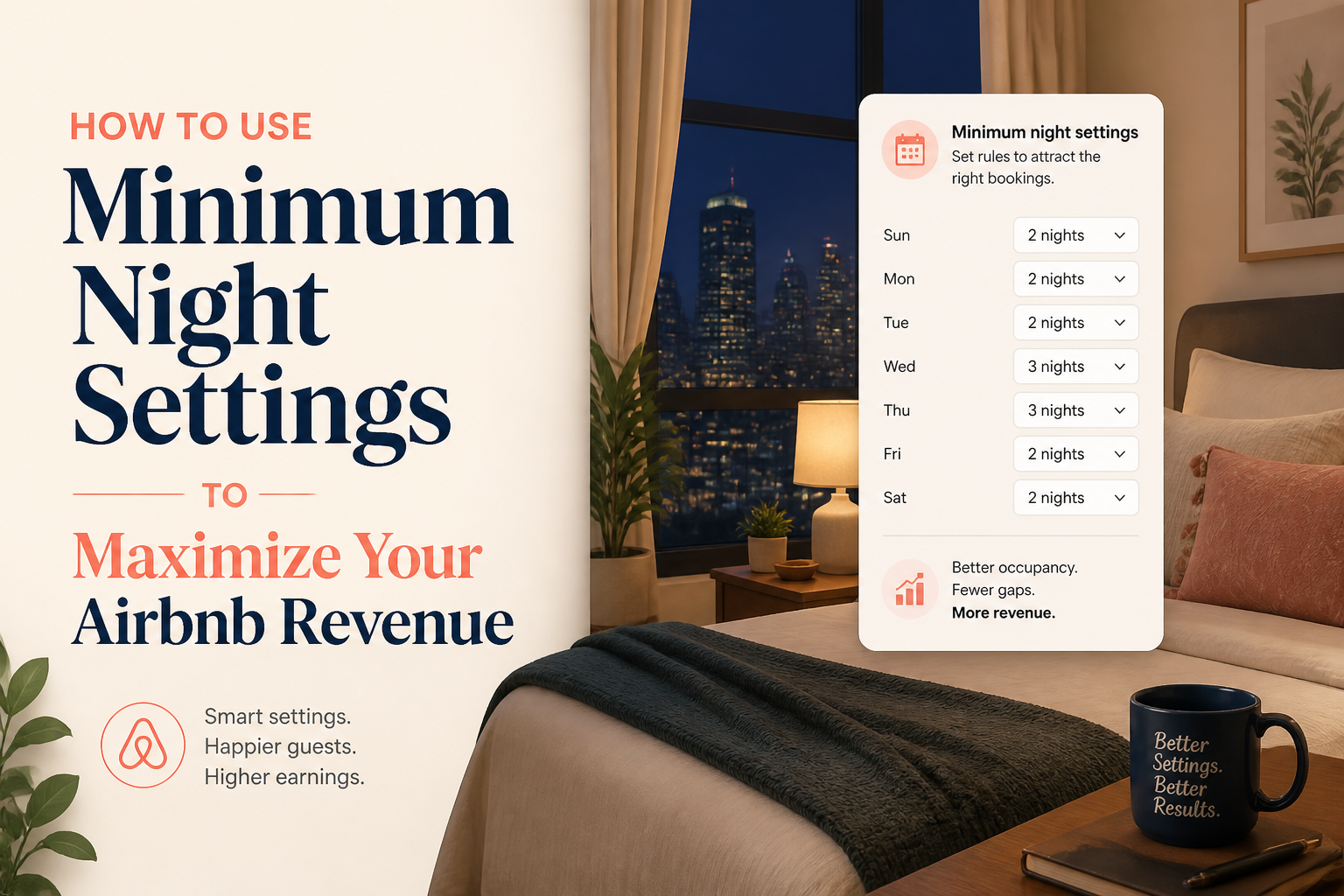 How to Use Minimum Night Settings to Maximize Your Airbnb Revenue
Your minimum stay setting is one of the most powerful levers in your listing — and most hosts set it once and never revisit it. Here's how to use it more strategically.
5 min read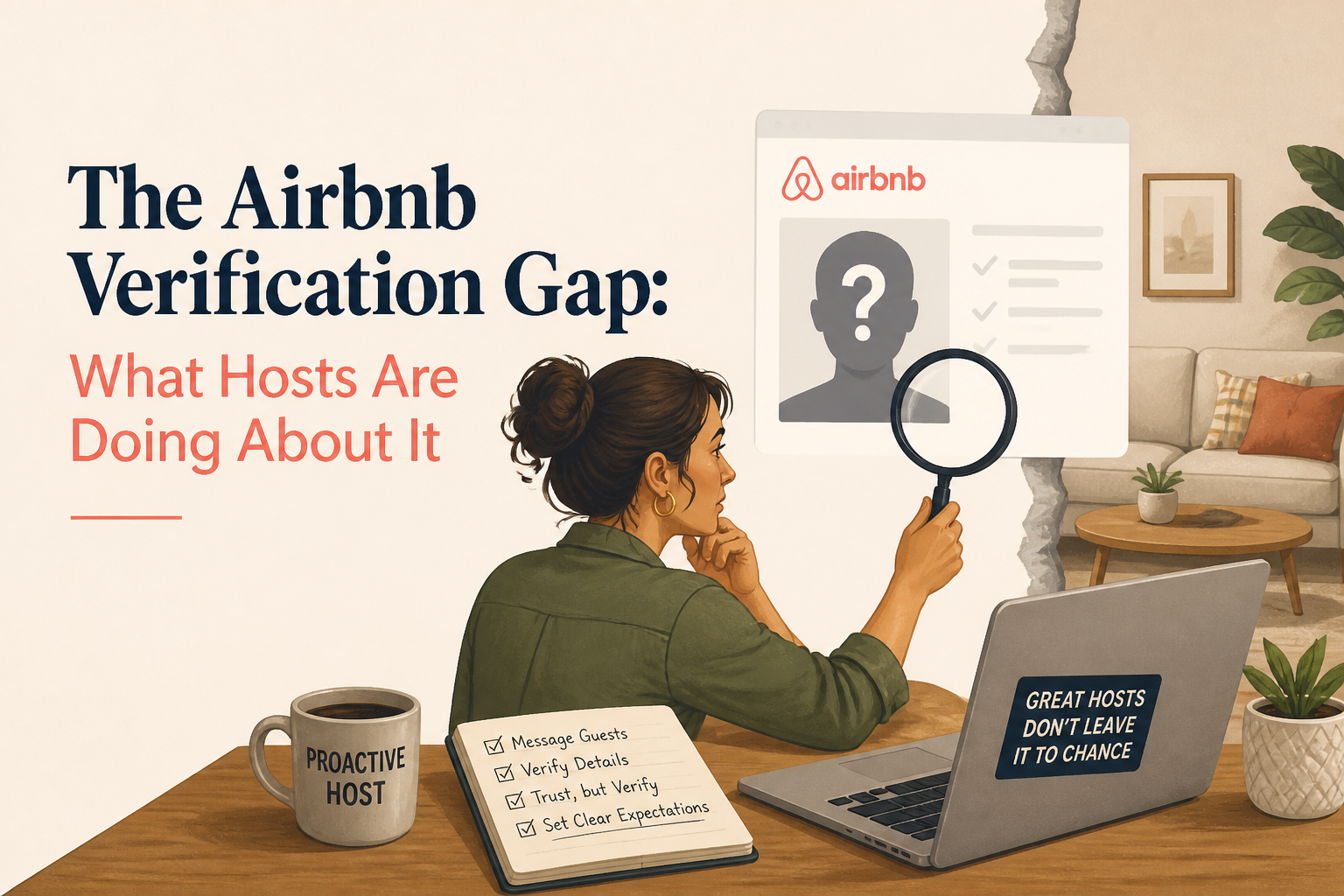 The Airbnb Verification Gap: What Hosts Are Doing About It
Guest accounts can be created, renamed, and duplicated in ways the platform's verification badge doesn't catch. Here's how experienced hosts are closing that gap.
5 min read