
The Airbnb Verification Gap: What Hosts Are Doing About It
Guest accounts can be created, renamed, and duplicated in ways the platform's verification badge doesn't catch. Here's how experienced hosts are closing that gap.
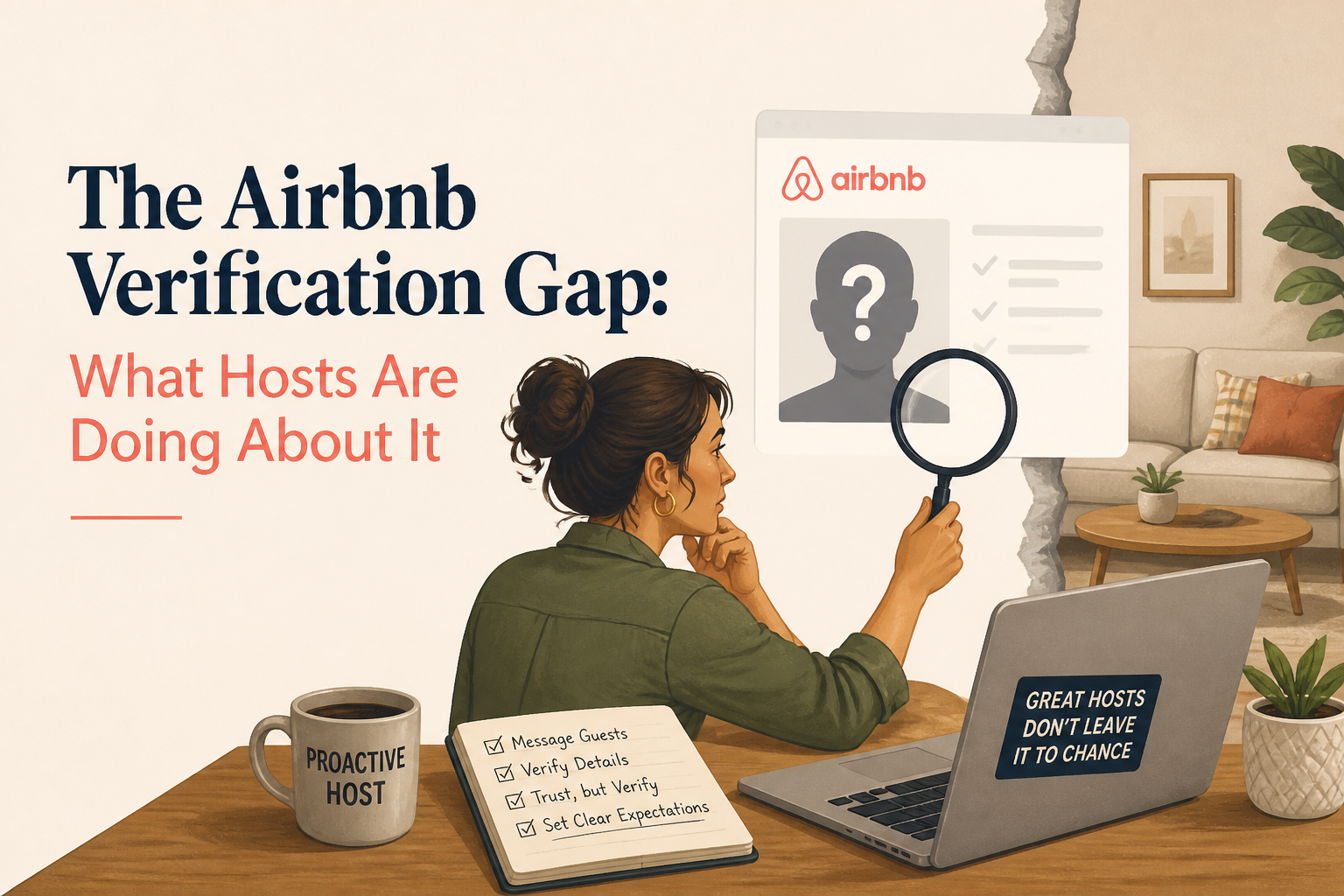
There is a detail about Airbnb's verification system that surprises many new hosts when they first hear it. Guests can change their name on the platform after a stay. They can also create a new account if their existing one has accumulated bad reviews. And they can hold an account with no country of residence listed, no profile photo, and no trip history, and still receive a verified badge after submitting a document the platform does not cross-reference against any external record.
None of this means the platform's verification is useless. For the large majority of guests it functions well enough. But it does mean that the badge you see on a booking request tells you less than it appears to.
A growing number of hosts have figured this out, often after a specific experience that made the gap feel real rather than theoretical, and they have built their own systems to address it. What those systems look like, and whether you need one, depends on your property, your market, and your honest assessment of what a bad booking would actually cost you.
How the Gap Shows Up in Practice
The clearest illustration of the verification gap came from a host who runs independent background checks as a standard part of her process. Of the ten guests she vetted in a single year, two had either been evicted from a prior residence or held a criminal record. One of those records involved human trafficking. Both had cleared the platform's verification without issue.
Other hosts describe less dramatic but equally instructive examples. A guest who completed a booking and then changed their displayed name within hours of checking out. A third-party booking where the person who actually occupied the property was not the person who had made the reservation. An account created the day before a booking request, with no history, no reviews, and no explanation of why they needed the property.
These are not rare edge cases. They are patterns that experienced hosts encounter often enough to have developed specific responses to them.
What Independent Screening Actually Looks Like
Independent guest screening ranges from simple to comprehensive, and the right level depends on how much risk you are managing and how much operational bandwidth you have.
At the simpler end, some hosts request a photo ID that matches the booking profile and a signed rental agreement before confirming check-in details. This alone stops a meaningful number of third-party bookings and creates a paper trail that matters if something goes wrong. One host who implemented this reported that the third-party bookings she had been experiencing stopped entirely.
More automated approaches use third-party tools designed specifically for short-term rental screening. Truvi handles identity verification independently of the platform and is frequently recommended in hosting communities for its straightforward integration with direct booking workflows. Autohost, often paired with Enso Connect, takes a more comprehensive approach: it collects a guest ID, a selfie, registration information, and a signed digital rental agreement, then runs a background check and generates a recommendation the host can act on without reviewing raw documents themselves.
Some hosts go further still, using tools like BeenVerified or Forewarn for manual pre-arrival checks. These can surface prior evictions, harassment records, and DUI convictions that would never appear in any platform verification process. One host who uses both described finding relevant records on multiple guests over the course of a year, none of which had been flagged by the platform.
The Friction Question
The most common objection to independent screening is that it adds friction to the booking process, and friction costs bookings. This is true, and it is worth taking seriously.
Guests who are used to Instant Book on other platforms may not expect to be asked for additional verification after a reservation is confirmed. Some will simply cancel rather than comply, particularly if they have strong track records and feel the request implies distrust. In competitive markets where occupancy depends on a smooth, frictionless experience, that drop-off rate matters.
The hosts who have found the best balance tend to be the ones who are clear about their screening requirements before booking is confirmed rather than after. A pre-booking message that outlines what will be required, framed as a standard part of the process rather than a response to suspicion, tends to land differently than a post-booking request that feels like a surprise interrogation. The information you gather is the same. The guest's reaction is often very different.
When Platform Verification Is Enough
Not every host needs an independent screening system, and suggesting otherwise would be misleading.
Hosts who rely on Airbnb's verification and keep Instant Booking active report that it frees them to focus on hospitality rather than gatekeeping. For properties in markets with consistently reliable guest demographics, for smaller or lower-value listings where a bad outcome is manageable, and for hosts where the operational cost of independent screening outweighs the benefit, the platform's system may genuinely be adequate.
The right question is not whether the platform's verification is perfect. It is whether it is adequate for your specific situation. A studio apartment with a modest nightly rate and a strong review history operates in a different risk environment than a lakefront property two hours from the nearest town with six bedrooms and an open-water dock. The screening that makes sense for one is not necessarily the screening that makes sense for the other.
Starting With the Right Question
Before you decide how much screening to add to your process, ask yourself one question directly: if you ran a background check on every guest who stayed in your property last year, what do you think you would find?
If the answer makes you uncomfortable, your current screening is probably not enough for your peace of mind, regardless of your occupancy rate. If the answer feels genuinely reassuring, you may already be in the right place.
The goal is not maximum screening. It is whatever level of screening lets you hand over the keys with genuine confidence, rather than quiet hope, that the person arriving is who they say they are.
Airbnb optimization specialist, Superhost, and founder of one of the largest Airbnb host communities.
Continue Reading
Chosen for you from The Optimization Journal.
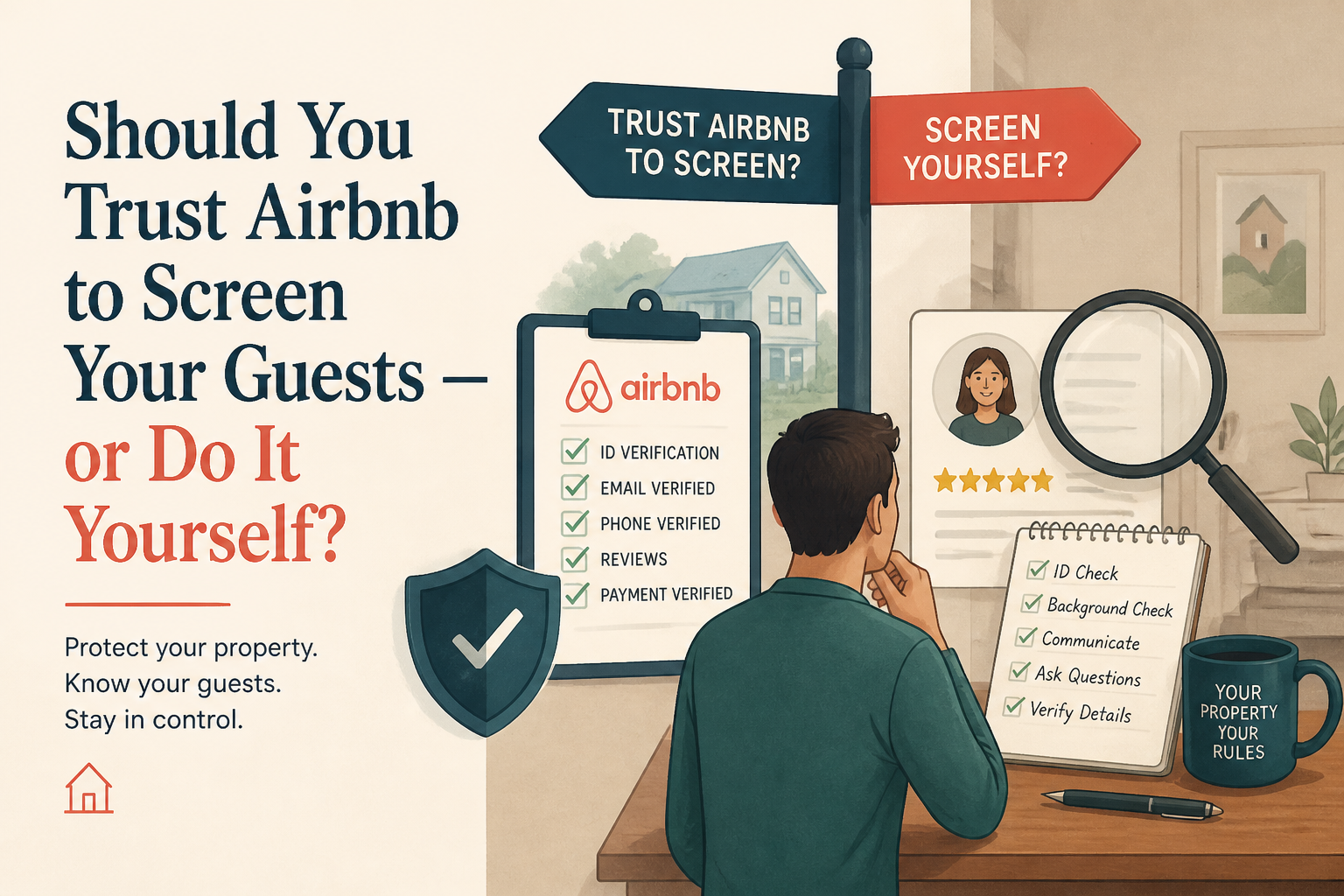 Should You Trust Airbnb to Screen Your Guests — or Do It Yourself?
Airbnb has a verification system. But a growing number of hosts have stopped relying on it alone — and what they've found has changed how they host.
5 min read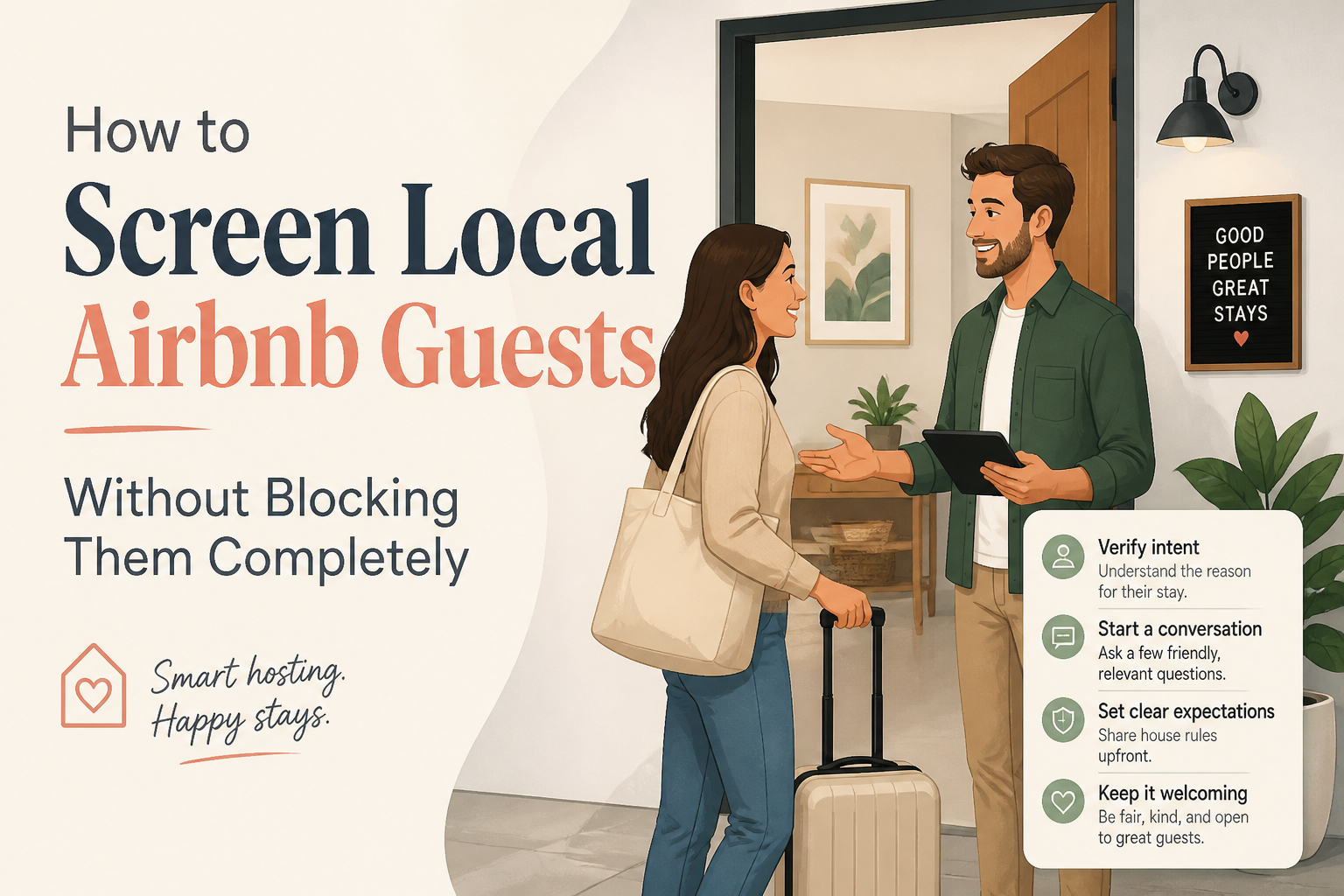 How to Screen Local Airbnb Guests Without Blocking Them Completely
A blanket no-locals policy costs you real revenue. A blanket yes leaves you exposed. Here's how experienced hosts find the middle ground.
5 min read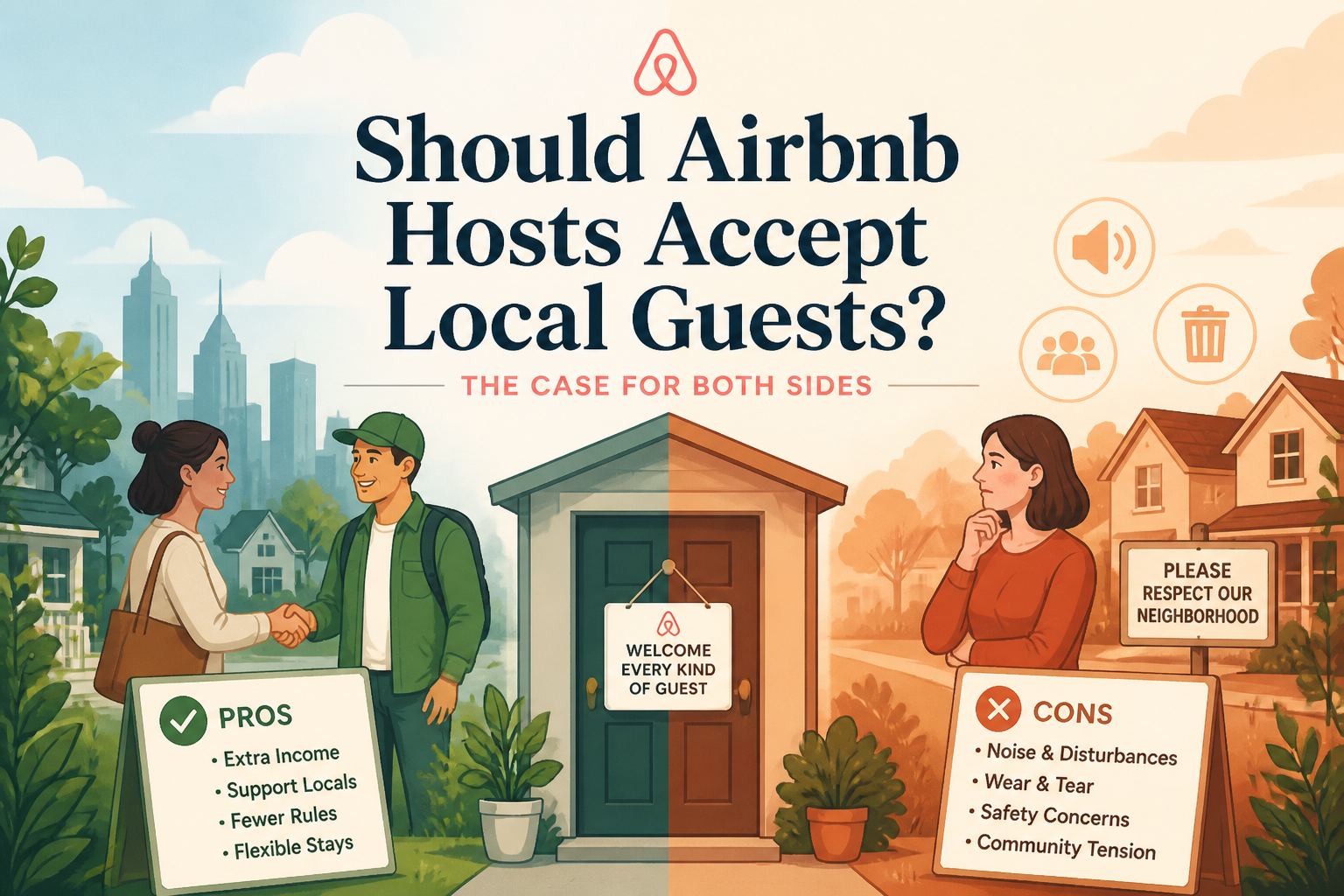 Should Airbnb Hosts Accept Local Guests? The Case for Both Sides
Few hosting decisions divide opinion more sharply than whether to accept guests who live nearby. Here is what hosts on both sides have learned from experience.
5 min read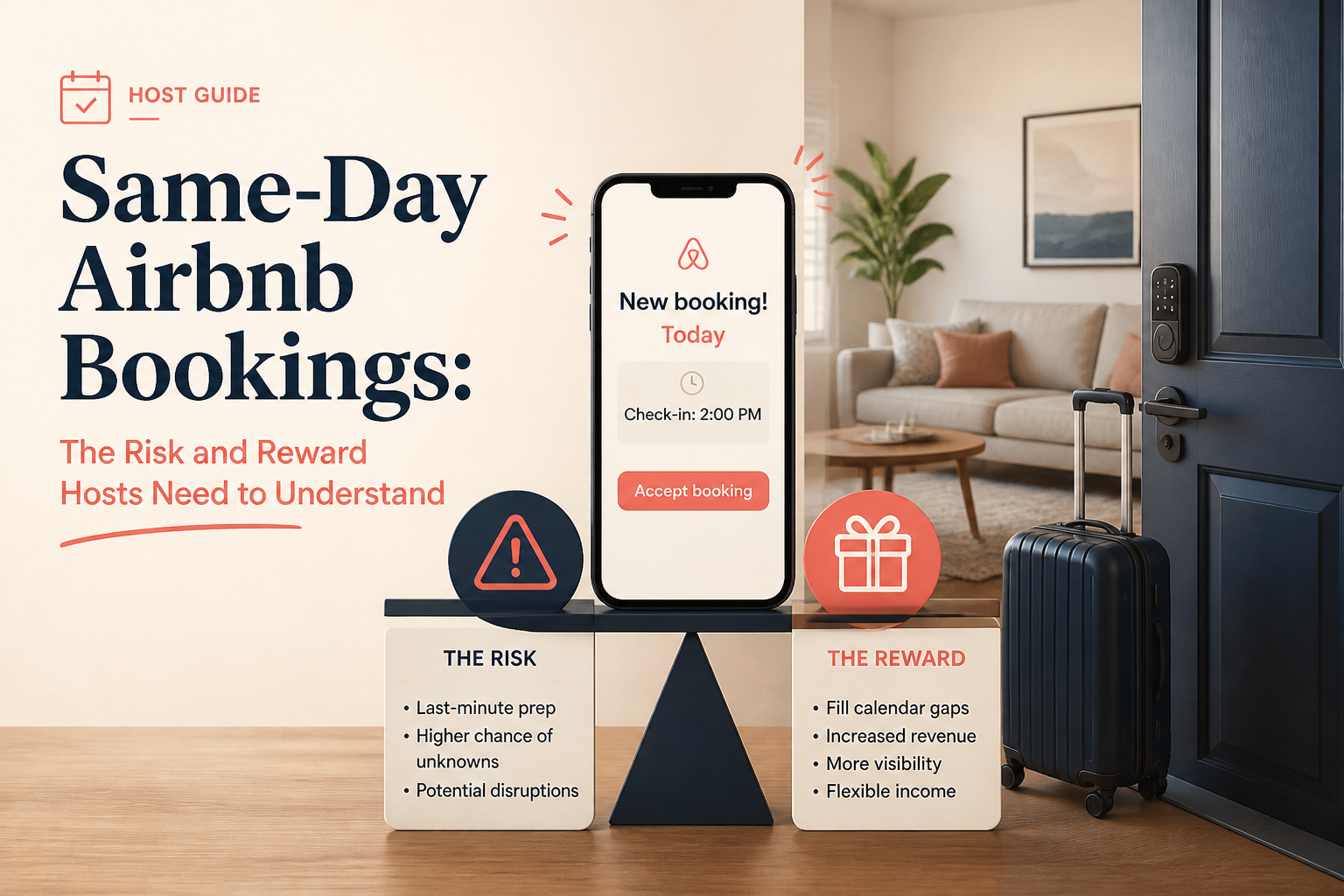 Same-Day Airbnb Bookings: The Risk and Reward Hosts Need to Understand
Two hosts. Same situation. Completely opposite experiences. The difference between them was not luck — it was systems.
6 min read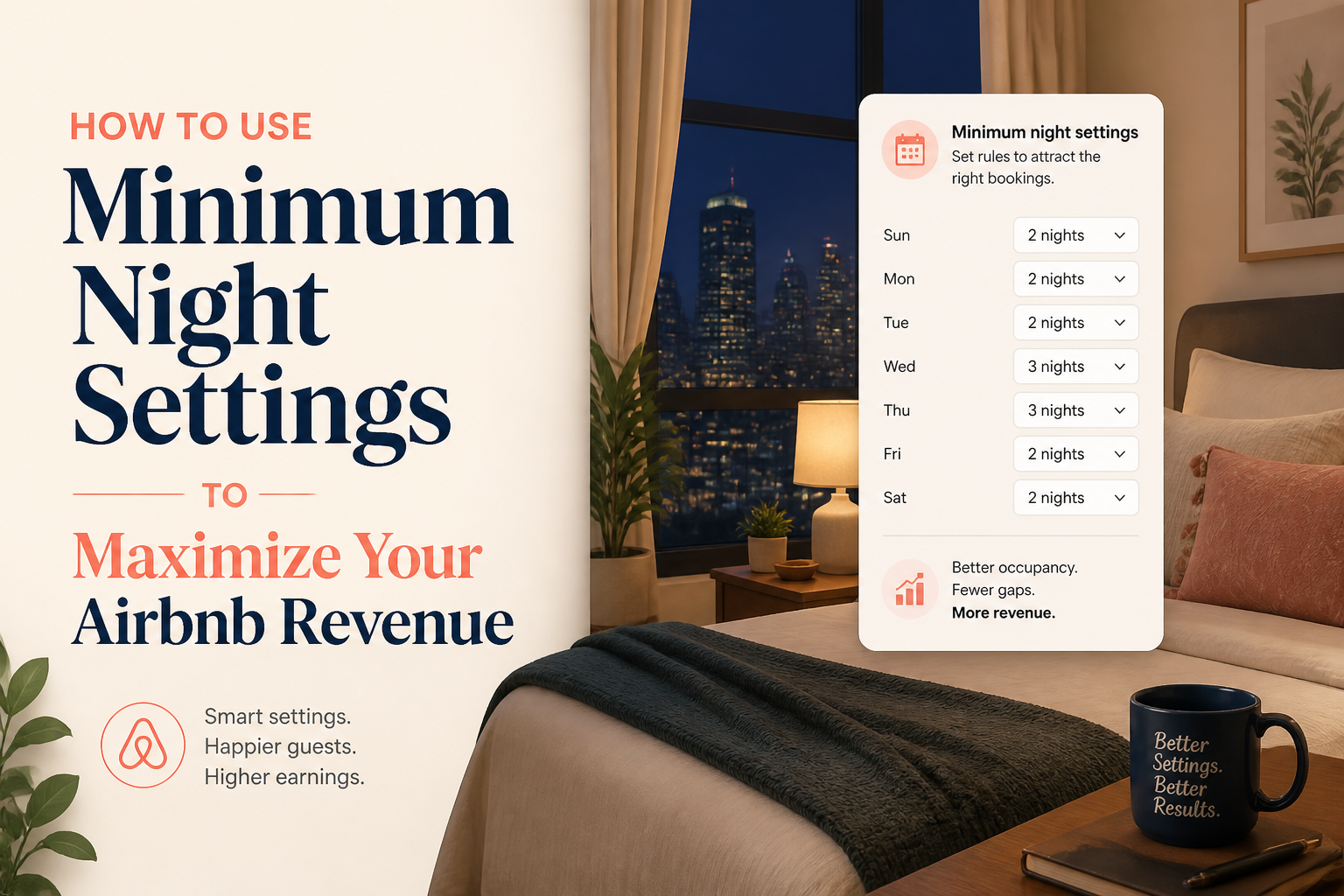 How to Use Minimum Night Settings to Maximize Your Airbnb Revenue
Your minimum stay setting is one of the most powerful levers in your listing — and most hosts set it once and never revisit it. Here's how to use it more strategically.
5 min read