
Why Airbnb Guests Keep Asking Questions Your Listing Should Already Answer
Repeated guest questions are often a sign that your Airbnb listing is not making important information easy enough to find. Instead of answering the same message over and over, use those questions to improve the listing itself.
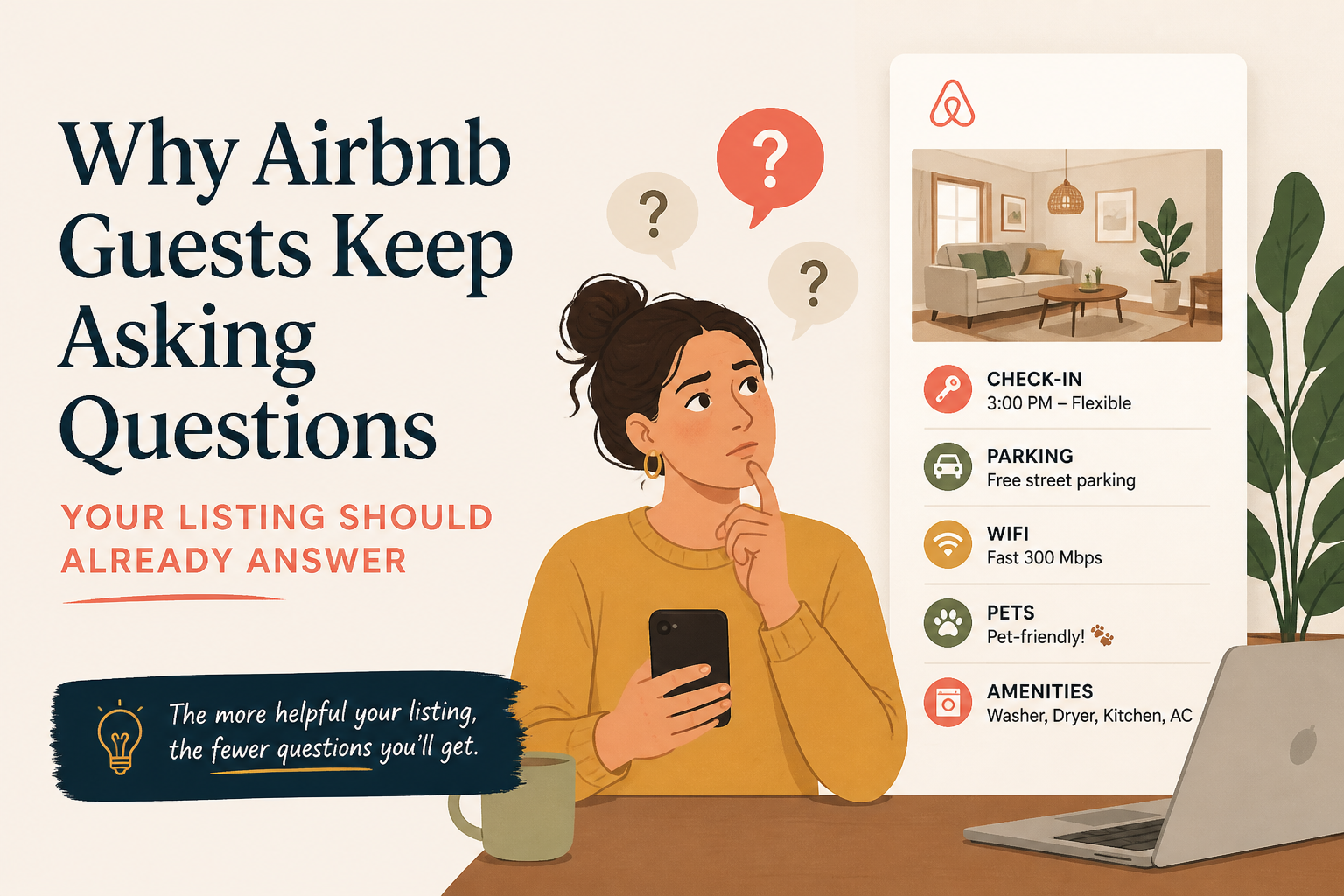
If you answer the same question three or four times, I stop thinking of it as a guest-message problem.
I start thinking of it as a listing problem.
“Is the pool private?”
“How many cars can we park?”
“Is the second bedroom upstairs?”
“How far are you from downtown?”
“Does the sofa turn into a bed?”
Hosts often answer these questions quickly and move on.
That solves the immediate conversation, but it misses the more useful signal.
If several guests need to ask, the information may technically exist somewhere in the listing but still not be clear enough.
The Important Question Is Not “Is It Written Somewhere?”
This is where I think hosts can be too close to their own listing.
You know that parking is explained halfway down the description.
You know the pool is marked private in the amenities.
You know the bedroom arrangement is visible if someone studies all thirty-eight photos.
So when a guest asks, the instinct is:
“It is already in the listing.”
Maybe it is.
But that is not always the right test.
The better question is:
Was the information easy enough to find when the guest needed it?
A listing can contain an answer and still communicate it poorly.
Repeated Questions Show You Where Guests Hesitate
Most questions arrive at a specific point in the booking decision.
A guest is interested enough to consider the property, but something is still unclear.
That makes the question useful.
They are essentially telling you:
“I might book, but I need to understand this first.”
That is very different from general curiosity.
If several people hesitate over the same issue, I would make that answer easier to see before they have to message you.
Start by Tracking the Questions You Keep Getting
You do not need a complicated system.
For a few weeks, pay attention to the pre-booking questions that repeat.
Group them loosely.
You may notice several questions about:
Sleeping arrangements.
Parking.
Privacy.
Location.
Stairs and accessibility.
Pet rules.
Guest access.
Pool or hot tub details.
Check-in logistics.
Whether a feature is shared.
The exact question matters less than the pattern.
If Guests Ask About Beds, Fix the Sleeping Setup
This is one of the most common areas of confusion.
A listing says it sleeps eight.
That tells the guest capacity.
It does not tell them whether eight adults can sleep comfortably.
If guests keep asking which room has the king bed, whether there is a sofa bed, or where the eighth person sleeps, I would make the sleeping arrangement much more explicit.
Use captions.
Use the bedroom descriptions.
Make the room order clear.
If necessary, mention the configuration in the main description where group travelers will actually see it.
Do not make people reconstruct the sleeping plan from photos.
If Guests Ask About Parking, “Free Parking” Is Probably Not Enough
Parking is another good example because the amenity checkbox does not always answer the real question.
Guests may want to know:
How many vehicles fit?
Is it a driveway or street parking?
Is the space assigned?
Can a large SUV fit?
Is there a garage?
Do they need a permit?
Is parking difficult during weekends?
If you keep answering those questions manually, your listing probably needs more context.
“Free parking” is a feature.
“Driveway parking for two standard vehicles directly beside the house” is information.
If Guests Ask Whether Something Is Private, Be Extremely Clear
Guests care about privacy more than hosts sometimes realize.
This comes up with pools, yards, patios, entrances, laundry rooms, hot tubs, and even entire floors of a property.
If an amenity is shared, say shared.
If it is private, say private.
If part of the property is occupied by someone else, explain the arrangement clearly.
I would not leave this to interpretation from the photos.
A guest making the wrong assumption about privacy can become a much bigger problem after check-in than it was before booking.
Location Questions Usually Mean the Description Is Too Generic
Many listings say they are in a “great location” or “close to everything.”
Then guests ask:
“How far are you from the beach?”
“Can we walk downtown?”
“How long is the drive to the stadium?”
“Is there anything nearby?”
Those questions tell me the location section is not doing enough.
I would replace vague language with practical context.
If people can walk somewhere, say what and roughly how long it takes.
If driving is more realistic, say that.
If the property is convenient for a major attraction, explain the relationship.
The guest does not need marketing language here.
They need orientation.
Some Questions Belong in Photos, Not Paragraphs
This is important too.
Not every repeated question should be solved by adding more text to the description.
If guests cannot understand the bedroom layout, better photo sequencing may help more than another paragraph.
If they keep asking whether the view is from the actual property, a better caption may solve it.
If the yard layout is confusing, a wider photo may answer the question instantly.
If parking is difficult to picture, showing the actual parking area may be more useful than describing it in three sentences.
The right fix depends on what is unclear.
Do Not Turn the Listing Into an FAQ Page
There is a danger in this exercise.
If you respond to every question by adding another sentence, the listing eventually becomes exhausting to read.
That is not the goal.
I would prioritize repeated questions that affect booking confidence.
Does the answer influence whether the property works for the guest?
Could the wrong assumption create disappointment?
Does the question keep appearing?
If yes, it deserves attention.
If one guest once asked whether you have a garlic press, I would probably leave the listing alone.
Sometimes the Question Reveals a Bigger Positioning Problem
Repeated questions can also tell you that the listing is attracting the wrong expectation.
Suppose people constantly ask whether the home is suitable for parties even though that is not the kind of stay you want.
Why are they getting that impression?
Maybe the first photos emphasize a large entertainment area.
Maybe the title sounds group-oriented.
Maybe the description uses language that suggests a party house.
The individual question is not the real issue.
The listing may be communicating the wrong kind of stay.
This Is Where Guest Intent Becomes Useful
Repeated questions are one of the clearest examples of why I separate basic listing completeness from Guest Intent.
An Airbnb Listing Audit can tell you whether important sections are missing, weak, or incomplete.
Guest Intent asks something slightly different:
What is the guest still unsure about even after the listing is technically complete?
That uncertainty can come from the wording, photo order, captions, reviews, or contradictions between different sections.
The information may already be present.
The problem is that the guest is not receiving it clearly enough.
Use Your Inbox as Free Listing Research
I think hosts sometimes see guest questions only as extra work.
I see them as research.
Every repeated question tells you something about how people are interpreting the listing before they book.
If you answer it once in a message, you help one guest.
If you fix the source of the confusion in the listing, you may help every guest who comes after them.
That can reduce messages, set better expectations, and make the booking decision easier at the same time.
The Best Question to Ask Yourself
The next time you receive a question you have answered before, do not only respond to the guest.
Open your listing.
Try to find the answer as if you knew nothing about the property.
Then ask:
Why did this guest need to ask me?
Sometimes the answer will be that they simply missed it.
But when the same question keeps coming back, I would assume the listing can do a better job.
Your inbox is often showing you exactly what the next version of your listing needs to explain more clearly.
Airbnb optimization specialist, Superhost, and founder of one of the largest Airbnb host communities.
Continue Reading
Chosen for you from The Optimization Journal.
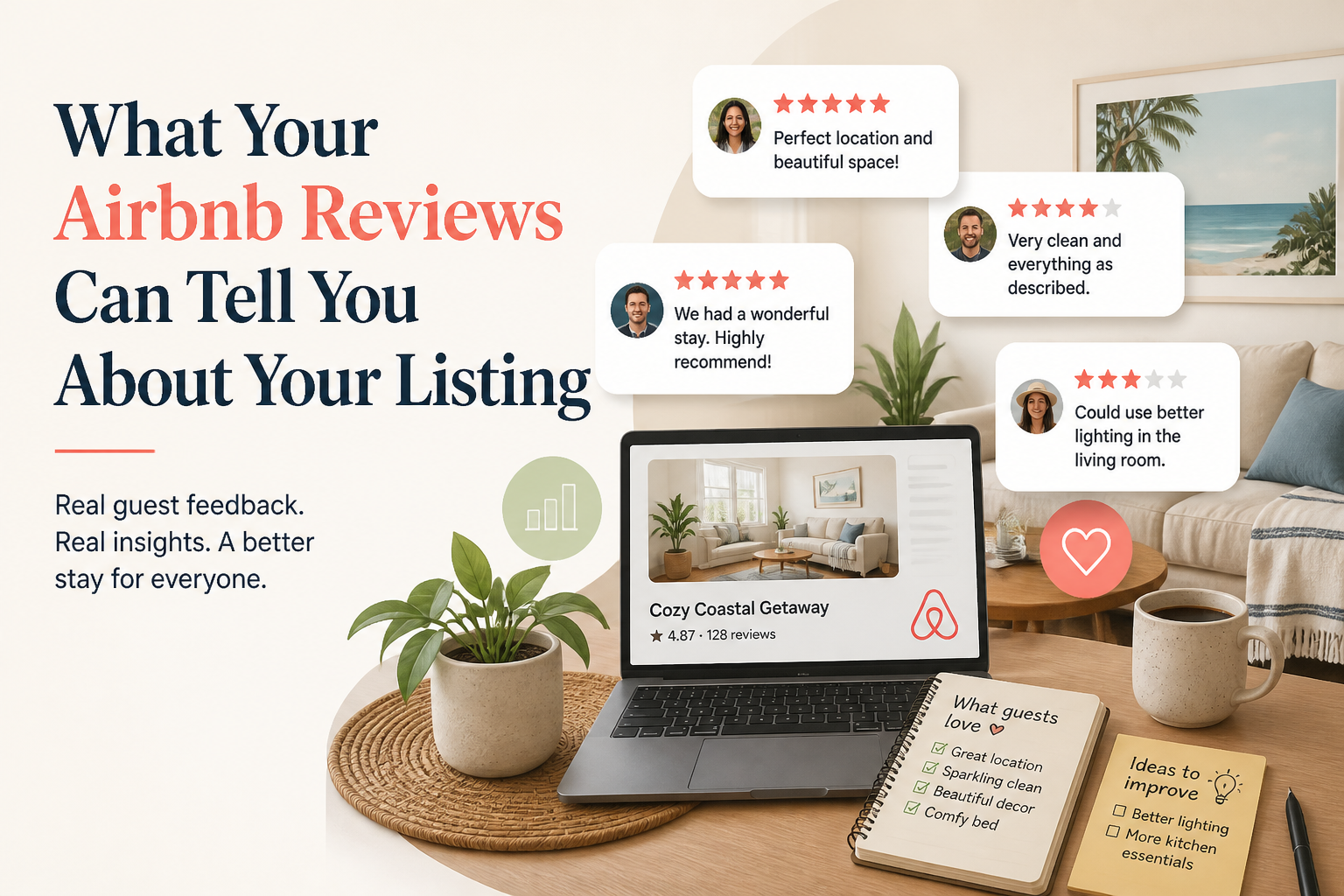 What Your Airbnb Reviews Can Tell You About Your Listing
Airbnb reviews are more than social proof. They can show you what guests value, what confuses them, what keeps getting mentioned, and where your listing may be setting the wrong expectations.
6 min read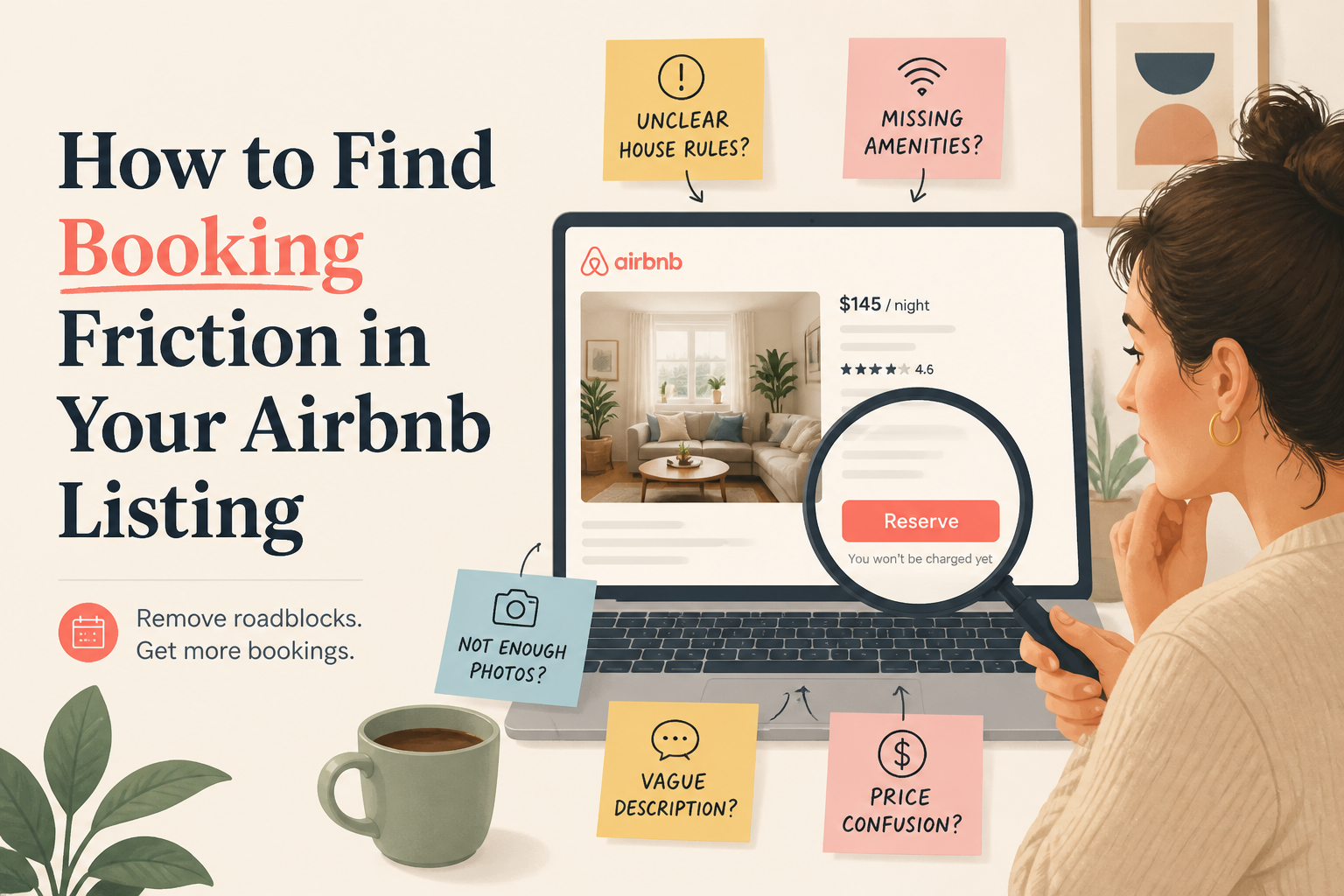 How to Find Booking Friction in Your Airbnb Listing
Sometimes an Airbnb listing looks complete, the price seems reasonable, and guests are still not booking. The problem may be small points of friction that create doubt as guests move through the listing. Here is how I look for them.
5 min read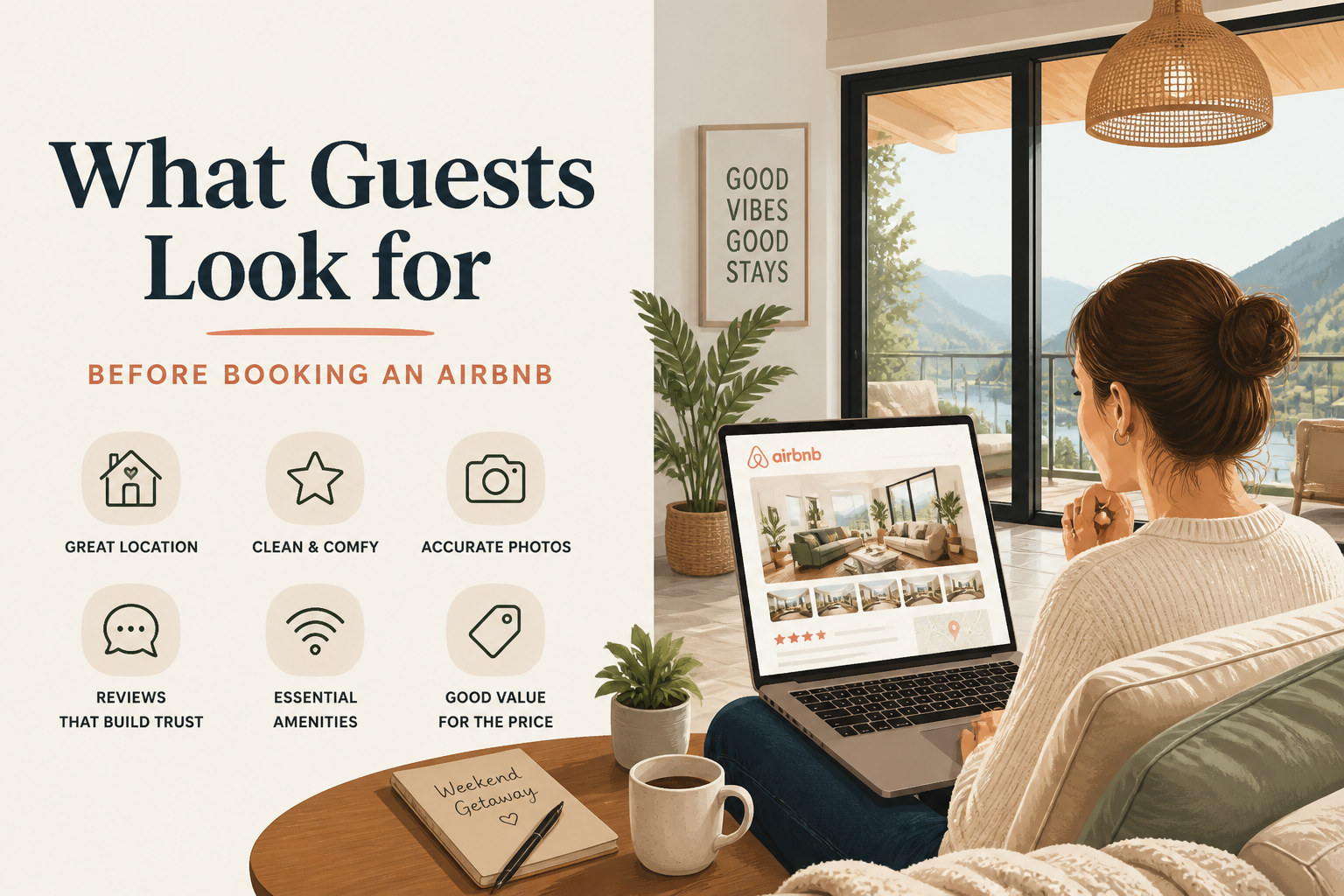 What Guests Look for Before Booking an Airbnb
Guests do not read an Airbnb listing from top to bottom like a brochure. They scan, compare, hesitate, and decide. Understanding what they look for first can help you make the listing easier to trust and easier to book.
6 min read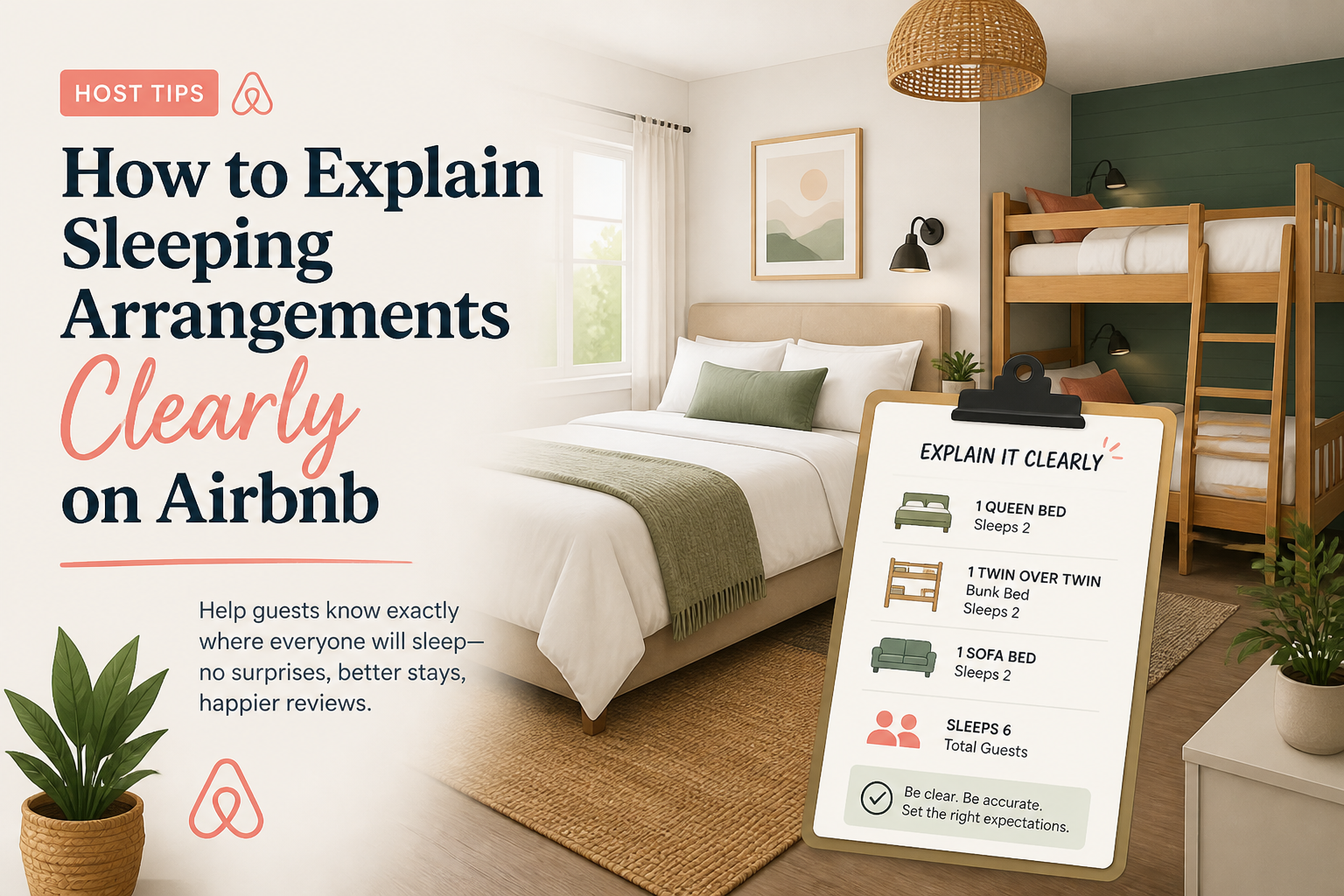 How to Explain Sleeping Arrangements Clearly on Airbnb
“Sleeps 8” does not tell a group where eight people are actually going to sleep. Clear sleeping arrangements help guests decide faster, reduce pre-booking questions, and prevent disappointment after arrival.
6 min read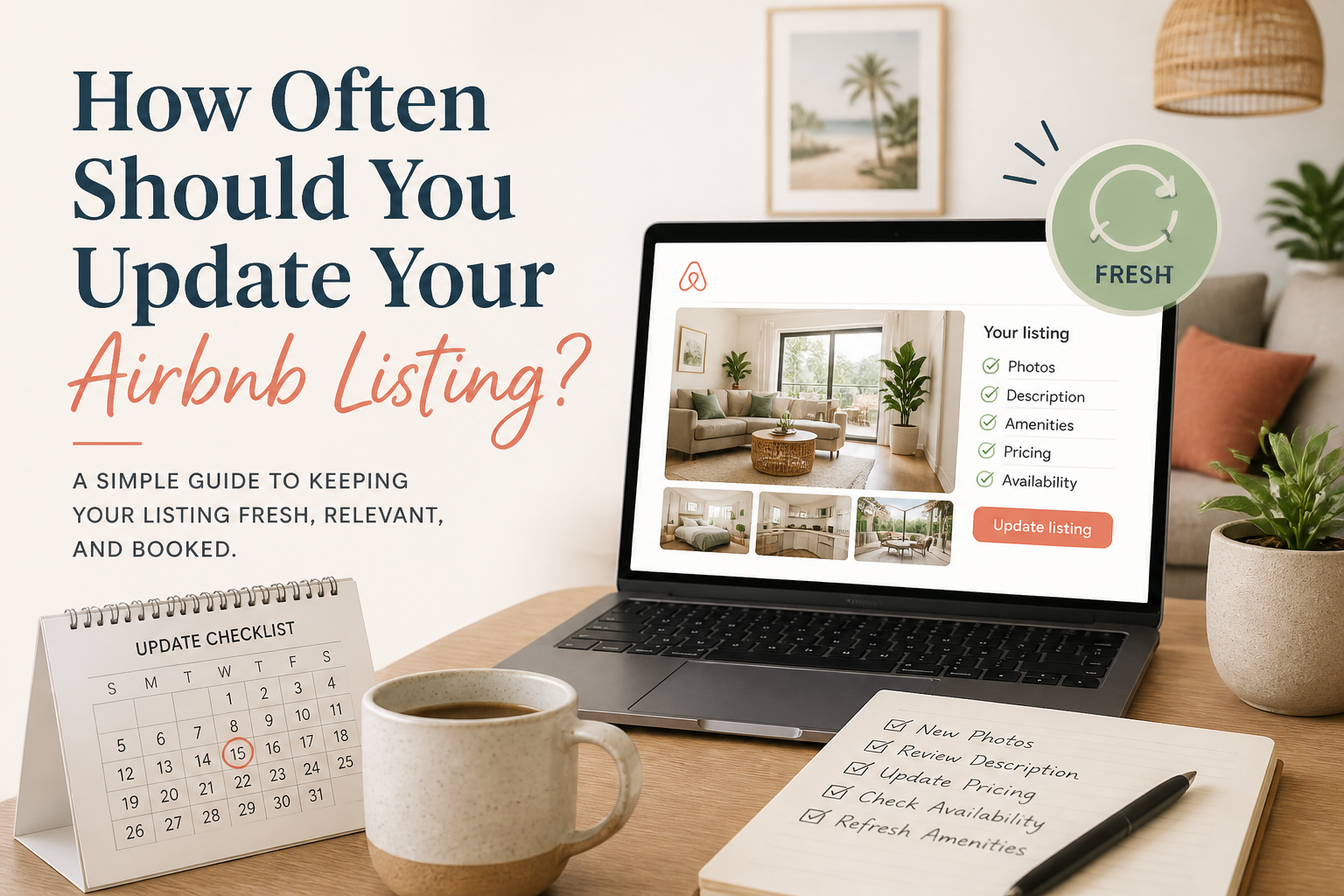 How Often Should You Update Your Airbnb Listing?
Your Airbnb listing should not be something you publish once and forget about. Properties change, seasons change, Airbnb adds new fields, and guest priorities shift. Here is how often I think hosts should review their listing, what is worth changing, and which type of update actually makes sense.
6 min read