
How to Explain Sleeping Arrangements Clearly on Airbnb
“Sleeps 8” does not tell a group where eight people are actually going to sleep. Clear sleeping arrangements help guests decide faster, reduce pre-booking questions, and prevent disappointment after arrival.
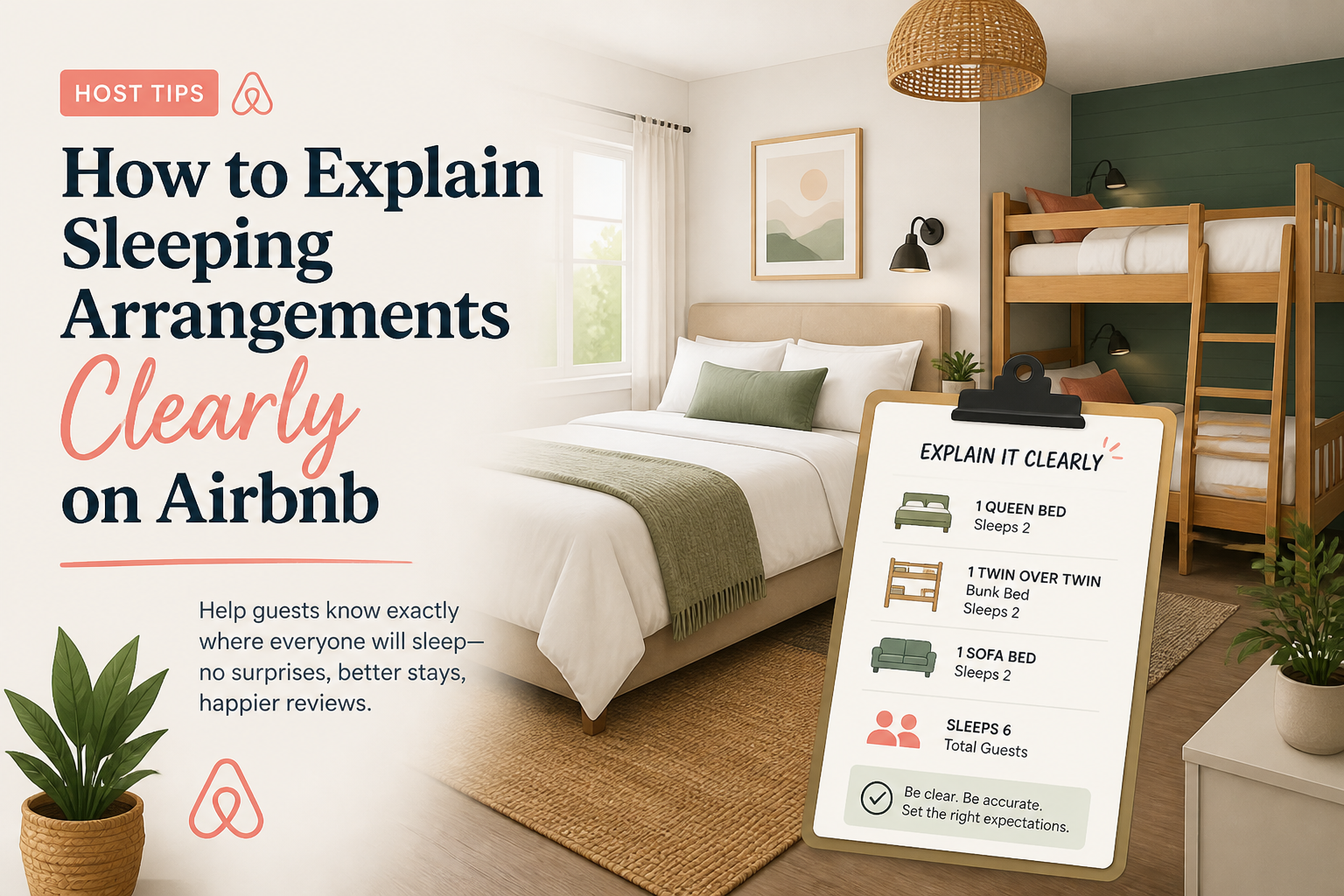
There is a big difference between saying a property sleeps eight and showing a guest how eight people will actually sleep there.
Hosts know the difference immediately.
Guests often do not.
A listing might say:
3 bedrooms · 5 beds · Sleeps 8
That gives me the numbers.
It still does not tell me whether two adults are expected to sleep on a sofa bed, whether the bunk room is suitable for adults, whether the primary bedroom is upstairs, or whether one of the sleeping spaces is in the living room.
For couples, families, and groups traveling together, those details can make or break the booking.
Capacity Is Not the Same as Comfort
This is where I would start.
If Airbnb allows you to list the property for eight guests, that does not automatically mean every group of eight will feel equally comfortable there.
Consider these two setups:
Property A: four bedrooms, each with a queen bed.
Property B: two queen bedrooms, one bunk room, and a sofa bed in the living room.
Both may sleep eight.
But they serve very different groups.
Four couples may be perfectly comfortable in Property A and much less comfortable in Property B.
A family with children might feel exactly the opposite.
Your listing should help the guest understand that before they book.
Start With a Simple Bedroom-by-Bedroom Breakdown
I would make the sleeping setup easy to scan.
Something like:
Bedroom 1: King bed, ensuite bathroom.
Bedroom 2: Queen bed.
Bedroom 3: Two twin beds.
Living room: Queen sofa bed.
That is much more useful than repeating “sleeps 8” throughout the listing.
The guest can immediately start matching the property to the group.
Grandparents in the king room.
Another couple in the queen room.
Children in the twin room.
Maybe one or two people on the sofa bed.
Now the capacity actually means something.
Bed Size Matters More Than Hosts Sometimes Think
I would always identify the bed size when possible.
A guest planning a trip with several adults wants to know whether a bedroom has a king, queen, double, or twin.
“Bedroom with comfortable bed” does not help.
Neither does assuming they can judge the size from a photo.
Photos distort scale. Wide-angle photography can make a room and bed look larger than they really are.
A simple caption or bedroom description removes the guesswork.
Be Especially Clear About Sofa Beds
Sofa beds create a lot of ambiguity.
If your maximum guest count depends on one, I would make that obvious.
Do not let a guest discover after booking that guests seven and eight are sleeping in the living room.
Explain:
Where the sofa bed is.
What size it is.
Whether bedding is provided.
Whether using it affects access to the living space.
For some guests, that setup will be completely fine.
For others, it may make the property unsuitable.
Either outcome is better than a disappointed guest who misunderstood the capacity.
Bunk Beds Need Context Too
A bunk room can be one of the strongest features of a family property.
It can also create confusion if the listing simply says there are four beds.
Are they twin bunks?
Full-size bunks?
Are the upper bunks intended primarily for children?
Can adults comfortably use them?
If the property is marketed to families, this information can actually make the listing more attractive because the guest can immediately picture how the children will sleep.
Specificity helps both conversion and expectations.
Room Location Can Matter as Much as the Bed
Now imagine a family traveling with young children.
The listing has three bedrooms.
What they do not know is that two bedrooms are upstairs and the third is downstairs near the entrance.
That layout may be perfectly fine.
But for that particular family, it could matter a lot.
The same applies to multigenerational groups.
If there is a ground-floor bedroom that avoids stairs, mention it.
If the primary suite is separated from the other bedrooms, that may be useful information too.
If one room is accessed through another, definitely explain it.
Guests are not only booking beds.
They are booking how those beds are arranged within the property.
Use Photos to Support the Explanation
The written breakdown should match the photo gallery.
If you call something Bedroom 2 in the description, try to make that clear in the photo captions too.
Bedroom 2 — Queen bed, second floor.
Now the guest can connect the written information with the images.
I would avoid forcing guests to figure out whether three different bedroom photos are three rooms or three angles of the same room.
This happens more often than you might think.
A logical photo order and clear captions can make the entire sleeping setup much easier to understand.
Do Not Hide the Less Desirable Sleeping Space
If part of your advertised capacity depends on an air mattress, futon, trundle, or convertible chair, say so clearly.
I would not describe every sleeping surface as a “bed” if the guest would reasonably make a distinction.
You may worry that being explicit will reduce bookings.
It probably will reduce some bookings.
Those are often bookings you did not want.
If six adults require six proper beds and you only have four, better for them to discover that before reserving.
The right guest may have two children who are perfectly happy with the trundle and book immediately because you explained it properly.
This Becomes Even More Important for Larger Groups
The larger the group, the more complicated sleeping arrangements become.
A couple booking a one-bedroom apartment does not need much explanation.
A group of ten does.
They may be coordinating several couples, children, grandparents, and friends.
They want to know who can sleep where before anyone commits money.
If your property targets groups, I would treat the sleeping plan as one of the core selling sections of the listing, not a minor detail buried near the bottom.
Look at the Questions Guests Already Ask
If you regularly receive messages like:
“Is the sofa bed included in the eight-person capacity?”
“Can two adults sleep in the bunk room?”
“Which bedroom is downstairs?”
“Are there three actual bedrooms?”
“Does each couple get their own room?”
then your listing is giving you useful feedback.
You should not have to answer the same sleeping-arrangement question repeatedly.
The explanation can usually be improved.
Reviews Can Reveal Misunderstandings Too
I would also watch your reviews.
A comment like “The home worked well for our family of six” can confirm that the setup fits the group you are targeting.
A comment like “We did not realize two people would be sleeping in the living room” tells you something very different.
Even if the information technically appeared in the listing, the guest did not understand it clearly enough before booking.
That is worth fixing.
This Is a Guest Intent Problem
Sleeping arrangements are a good example of the difference between having information and communicating information.
Your Airbnb listing may correctly say three bedrooms, five beds, and eight guests.
The data is complete.
But the guest may still hesitate because they cannot picture how their specific group fits into those numbers.
That is the kind of issue Guest Intent Optimization is useful for identifying.
It is not only looking for missing fields. It is looking at whether the listing gives the guest enough clarity to make the decision comfortably.
A Simple Sleeping-Arrangement Test
Look at your listing and pretend you are booking for the maximum number of guests allowed.
Can you answer these questions in less than a minute?
How many actual bedrooms are there?
What size bed is in each bedroom?
Which sleeping spaces are outside bedrooms?
Which rooms are upstairs or downstairs?
Who would realistically sleep in each space?
If you cannot answer those questions quickly, a guest probably cannot either.
Make the Group Picture the Stay
That is really the goal.
Do not make guests translate “sleeps eight” into an imaginary floor plan.
Show them.
Explain the rooms.
Name the bed sizes.
Be clear about sofa beds and bunks.
Explain anything unusual about the layout.
Then support it with photos and captions that tell the same story.
When guests can easily picture where everyone will sleep, one of the biggest group-booking questions is already answered.
Airbnb optimization specialist, Superhost, and founder of one of the largest Airbnb host communities.
Continue Reading
Chosen for you from The Optimization Journal.
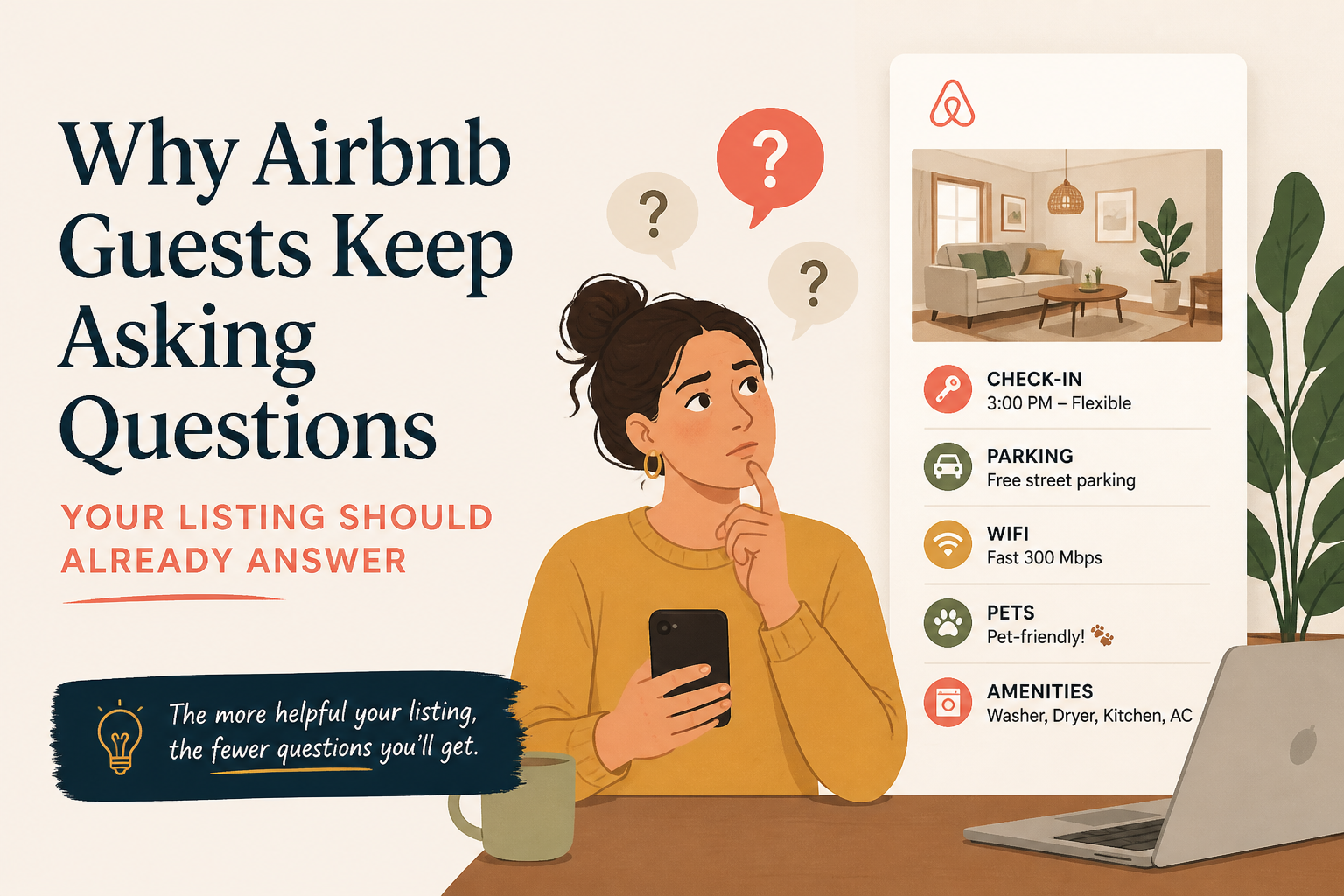 Why Airbnb Guests Keep Asking Questions Your Listing Should Already Answer
Repeated guest questions are often a sign that your Airbnb listing is not making important information easy enough to find. Instead of answering the same message over and over, use those questions to improve the listing itself.
5 min read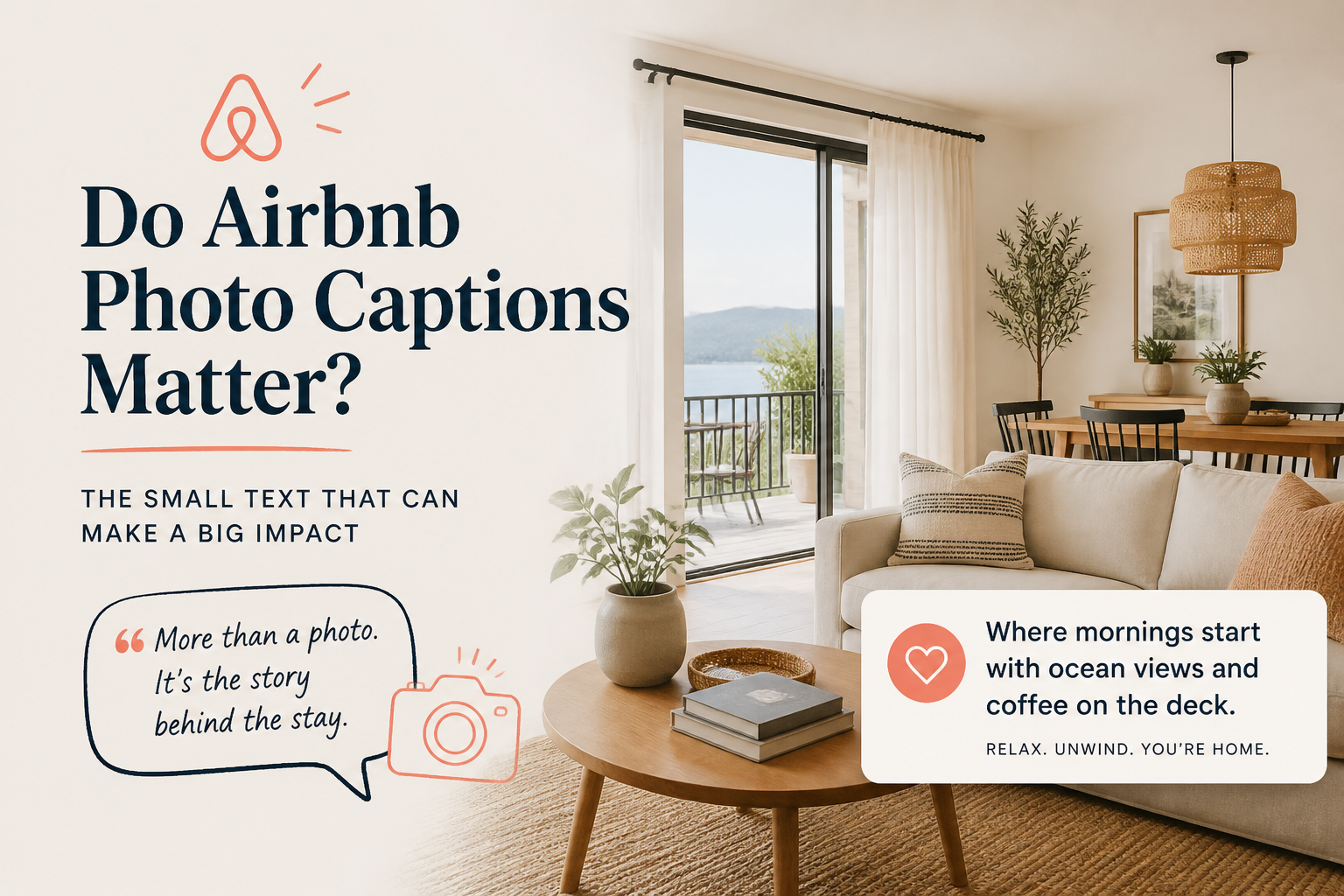 Do Airbnb Photo Captions Matter?
Airbnb photo captions are easy to ignore because the photos already seem to speak for themselves. But a good caption can answer questions the image cannot, explain an important feature, and prevent guests from making the wrong assumption about what they are seeing.
5 min read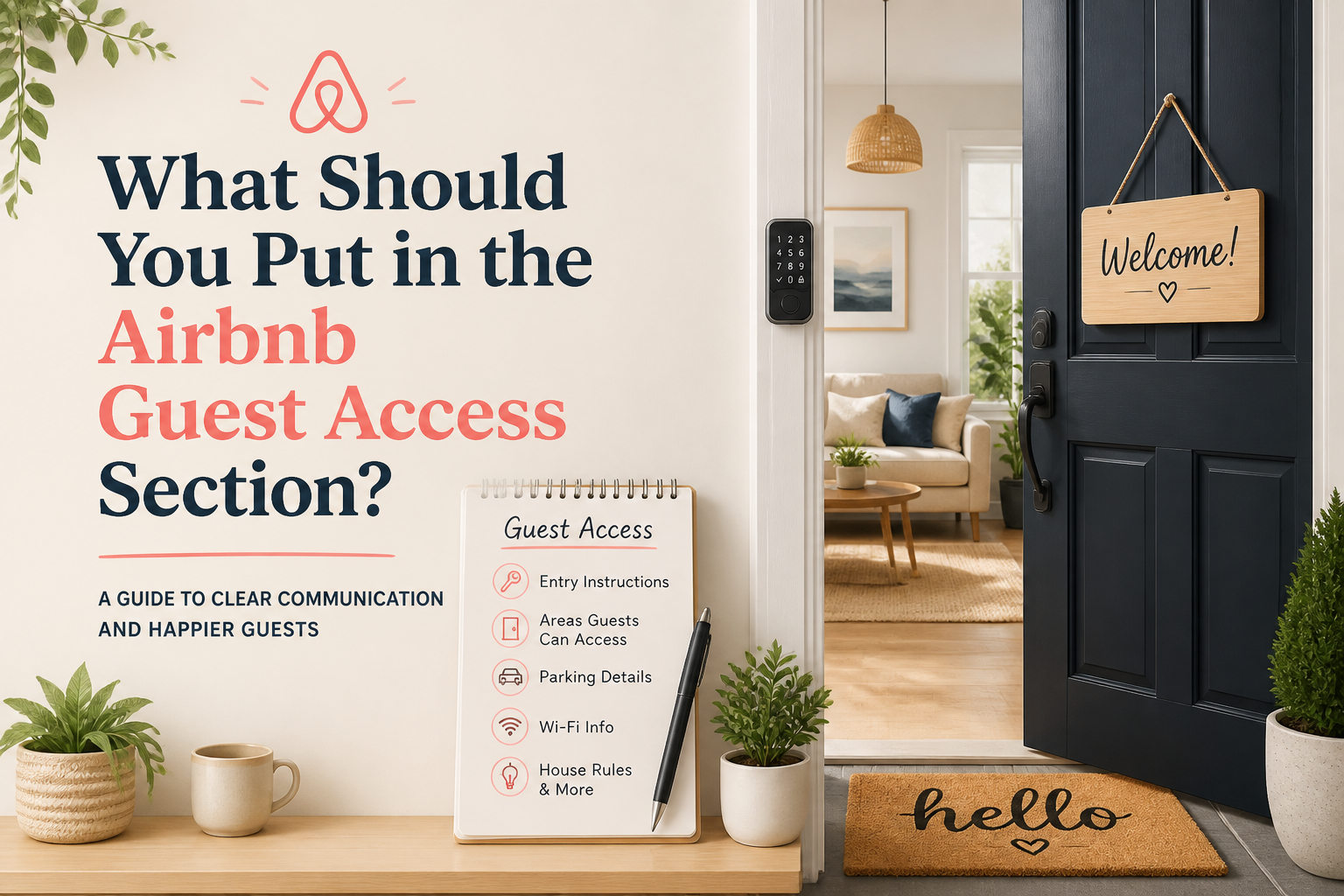 What Should You Put in the Airbnb Guest Access Section?
The Guest Access section is where hosts explain what guests can actually use during the stay. Done well, it removes uncertainty around entrances, shared spaces, locked areas, parking, outdoor amenities, and parts of the property that are off-limits.
6 min read What Your Airbnb Reviews Can Tell You About Your Listing
Airbnb reviews are more than social proof. They can show you what guests value, what confuses them, what keeps getting mentioned, and where your listing may be setting the wrong expectations.
6 min read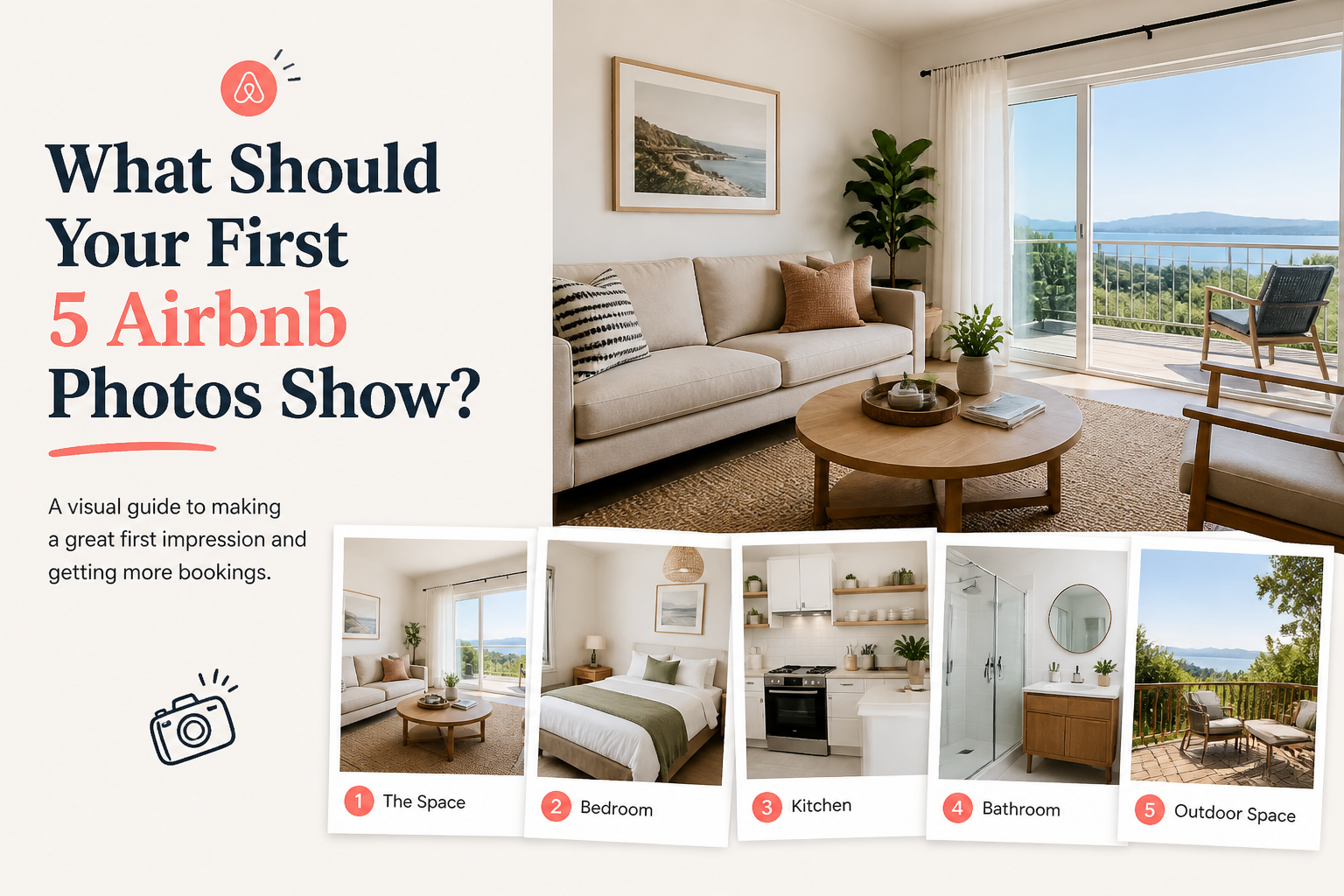 What Should Your First 5 Airbnb Photos Show?
The first five photos on your Airbnb listing should do more than look good. They should quickly show guests what the property is, why it stands out, and whether it fits the trip they are planning.
6 min read