
How to Make a Pet-Friendly Airbnb Actually Work
Allowing pets is a business decision, not just a gesture of goodwill. The hosts who get it right have built specific systems around it. Here's what those systems look like.

There is a host who leaves dog treats in a small bowl by the front door. When guests arrive with their dogs, the treats are waiting. He asks guests to send photos of their dogs relaxing at the property, and many do. His reviews mention the dogs almost as often as they mention the view.
He did not set this up by accident. He loves dogs, he travels with his own, and he deliberately built his listing around that identity. Most of his guests bring animals. He has never had a serious problem.
That is one end of the pet-friendly spectrum. The other end belongs to the host who allowed pets, spent considerably more on cleaning and replacements than she ever collected in pet fees, and stopped. Her property was not set up for it. Her fee structure did not cover the actual cost. And the experience of dealing with pet-related damage and smell taught her that openness to animals without a proper system behind it is not a policy. It is an experiment waiting to go wrong.
The difference between these two hosts is not their attitude toward pets. It is their preparation.
Build the Property for It Before You List It That Way
The single biggest variable in whether a pet-friendly policy works is the physical setup of the property. Hosts who allow pets successfully almost universally have properties that were configured, deliberately or by coincidence, to make pet stays manageable.
Hard floors are the most important factor. Wood, tile, laminate, and concrete are all significantly easier to clean after a pet stay than carpet. Hair does not embed the same way. Odors do not absorb and linger. Urine damage is containable rather than permanent. If your property has wall-to-wall carpet throughout, allowing large dogs is a meaningful risk to the long-term condition of your floors and the guest experience for everyone who follows.
Furniture matters almost as much. Leather and faux leather wipe clean easily and do not hold pet hair or odors. Fabric sofas and upholstered chairs are the opposite: they trap hair, absorb smells, and require specific treatment to clean properly after each pet stay. One host who allows up to four dogs at once uses fabric drop cloths over his fabric furniture and keeps everything else in the property leather for exactly this reason. His non-pet guests are regularly surprised to learn animals have been there.
A fenced outdoor space makes a significant difference too. Dogs need somewhere to go, and guests who have a secure yard to let them out in are less likely to be walking animals through shared or sensitive areas of the property. It also reduces the likelihood of accidents happening indoors during the night.
Set Up Your Cleaning System Before the First Pet Arrives
The turnover after a pet stay requires more than a standard clean, and the hosts who have found pet-friendly policies sustainable are the ones who built that into their process from the beginning rather than discovering it after the fact.
HVAC filters should be replaced or cleaned after every pet stay to prevent pet odors from cycling through the property's air system and affecting subsequent guests. An air purifier running between stays helps significantly with ambient odor. A robot vacuum on each floor catches hair before it migrates into linens and furniture. Washable lint rollers, furniture covers, and a dedicated set of cleaning supplies for pet turnover days round out what several experienced hosts describe as a non-negotiable baseline.
The cleaner needs to know your pet policy and what a post-pet turnover requires. Several hosts have described the mistake of allowing pets without telling their cleaning team what to expect, resulting in a standard clean that left behind exactly the kind of hair and odor that prompted complaints from the next guests. Your cleaner is part of the system. They need to be prepared for what they are walking into.
Price It to Actually Cover Your Costs
A flat pet cleaning fee sounds straightforward until you add up what a proper post-pet turnover costs: additional cleaning time, filter replacement, extra laundry, periodic deep cleans to address odor buildup, and the occasional furniture or floor repair.
Many hosts who tried allowing pets and found the margins disappointing set their initial fee based on what seemed reasonable rather than what the actual cost required. A fifty-dollar flat fee per stay covers the cleaning cost for a small, well-behaved dog in a compact property with hard floors. It does not cover the same for two large dogs in a four-bedroom house with fabric furniture and area rugs.
Hosts who have found pet-friendly policies genuinely profitable tend to charge per pet, per night, or incorporate the additional cost into a higher base rate for pet-permitted stays rather than relying on a single flat fee. Some charge differently by property size or floor type. The structure varies, but the principle is consistent: the fee needs to actually cover what each pet stay costs to clean and maintain, with enough margin left over to make the additional complexity worthwhile.
Write Rules That Actually Protect You
A pet-friendly policy without specific rules is an open invitation for guests to interpret your generosity as broadly as possible. The rules that work best are the ones that are specific enough to be enforceable.
That means not just pets welcome but a defined limit on how many animals and what size. It means pets must be supervised at all times and not left alone in the property unattended, which protects against the anxiety-driven behavior that causes the most damage. It means pets are not permitted on furniture unless you have specifically decided to allow it and have protected that furniture accordingly. And it means guests are financially responsible for any damage caused by their animals, stated clearly before they arrive rather than raised for the first time after something goes wrong.
One host who started accepting dogs this year required that animals be leashed outdoors, never left alone inside, and charged an additional fifty dollars per stay toward cleaning. She described her first year of pet stays as smooth throughout. The rules were clear before anyone booked, which meant guests arrived already knowing what was expected of them.
Use It as a Differentiator, Not Just an Add-On
The hosts who get the most out of a pet-friendly policy tend to be the ones who lean into it rather than simply permitting it. A listing that says pets allowed in the house rules is different from a listing that leads with its pet-friendly features: the fenced yard, the dog bowls provided, the walking trails nearby, the fact that the host genuinely loves animals and has thought about what a guest traveling with a dog actually needs.
That distinction attracts a different kind of pet owner. Guests who feel specifically welcomed rather than merely tolerated tend to be more careful with a property, more grateful for the accommodation, and more likely to leave a review that brings in the next booking.
The treat by the door is not just a nice gesture. It is the beginning of a guest experience that was designed for someone specific. And guests who feel designed for tend to behave accordingly.
Airbnb optimization specialist, Superhost, and founder of one of the largest Airbnb host communities.
Continue Reading
Chosen for you from The Optimization Journal.
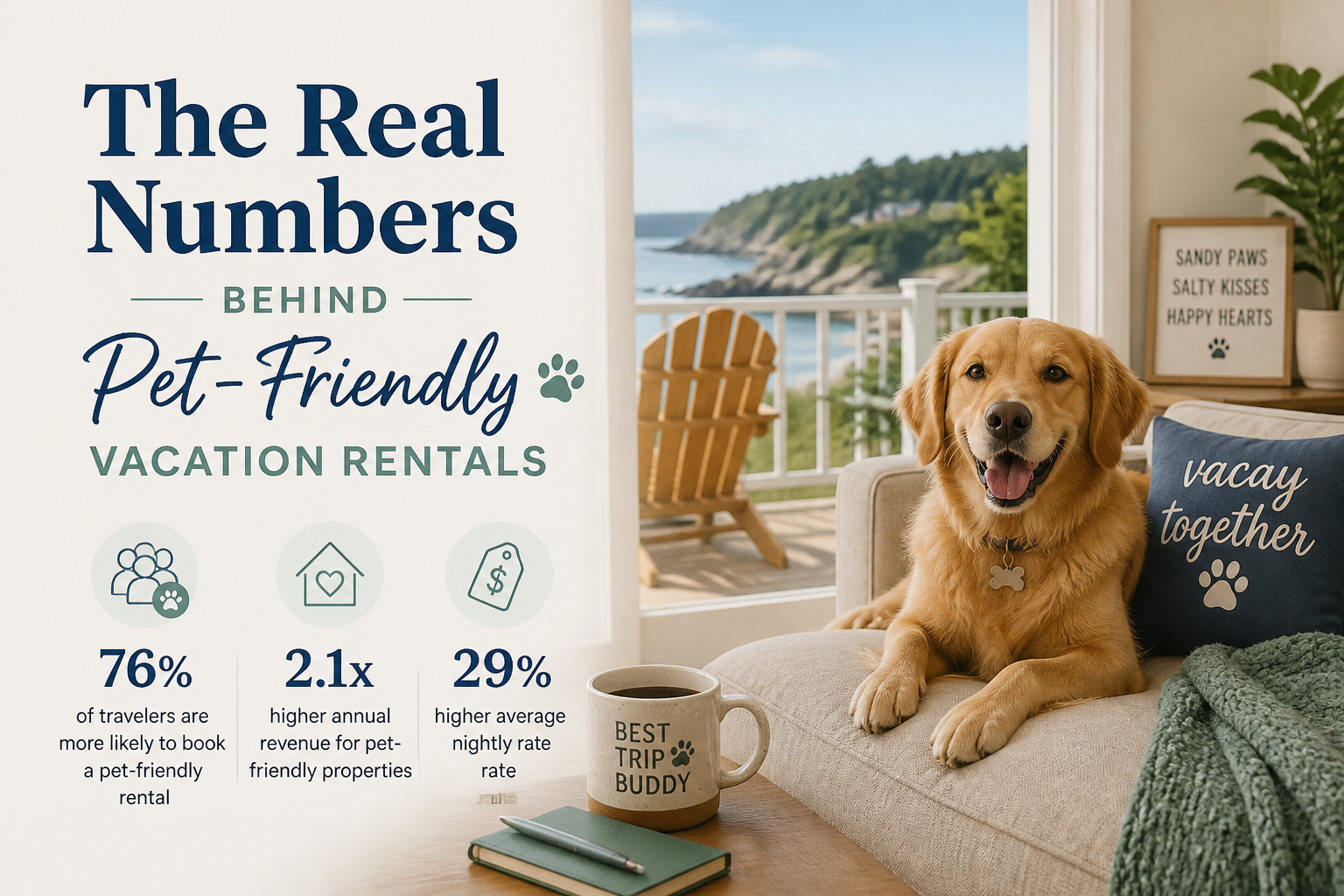 The Real Numbers Behind Pet-Friendly Vacation Rentals
Some hosts say allowing pets fills their calendar. Others say it emptied their wallet. The difference almost always comes down to how prepared they were before the first dog arrived.
6 min read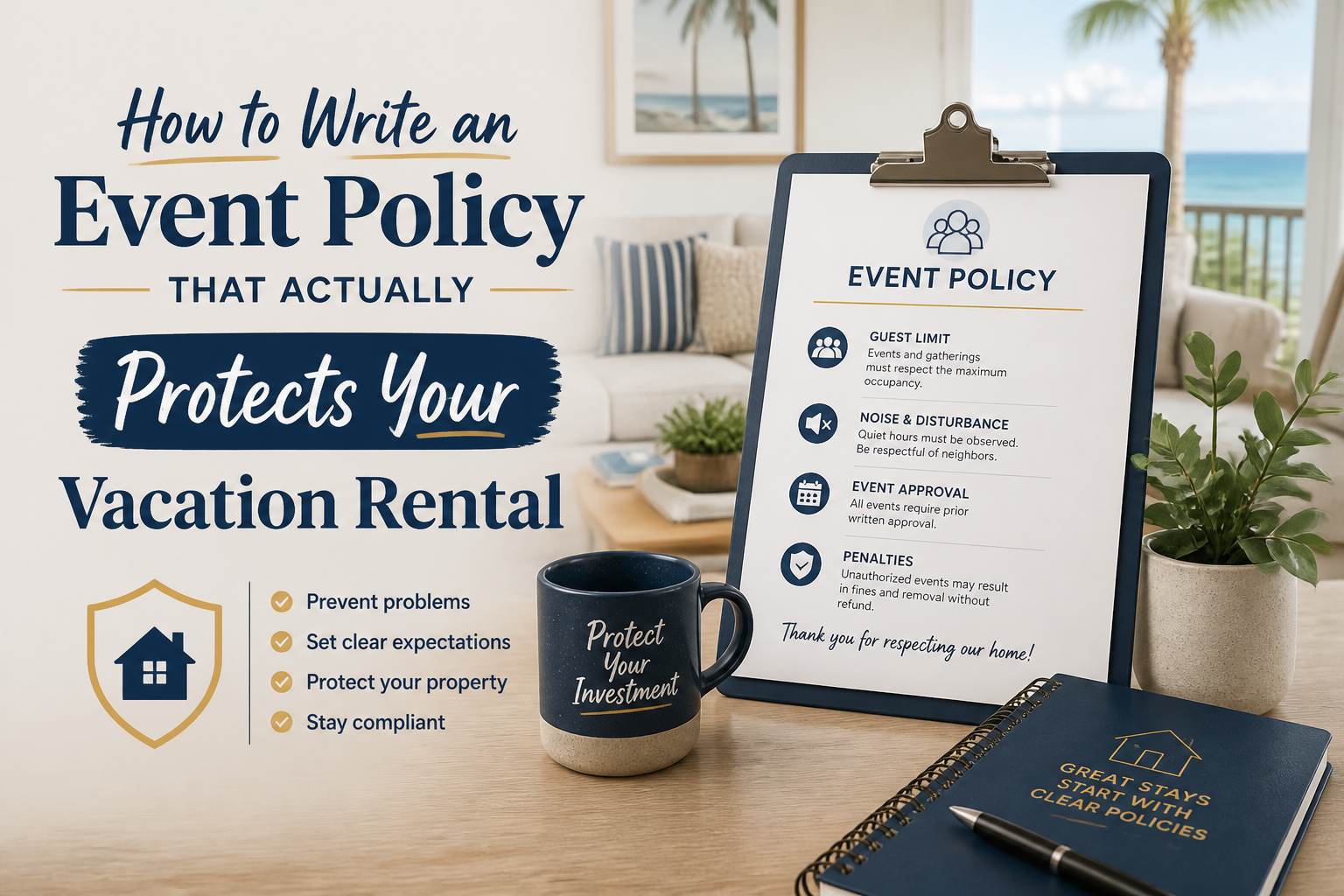 How to Write an Event Policy That Actually Protects Your Vacation Rental
A no-party rule is only as good as how clearly it's communicated. Here's how experienced hosts define, enforce, and occasionally profit from their event policies.
5 min read How Check-In Flexibility Becomes One of Your Best Hospitality Tools
The gesture that costs you nothing can be worth more than any amenity you add to your listing. Here's how to make check-in flexibility work in your favor.
5 min read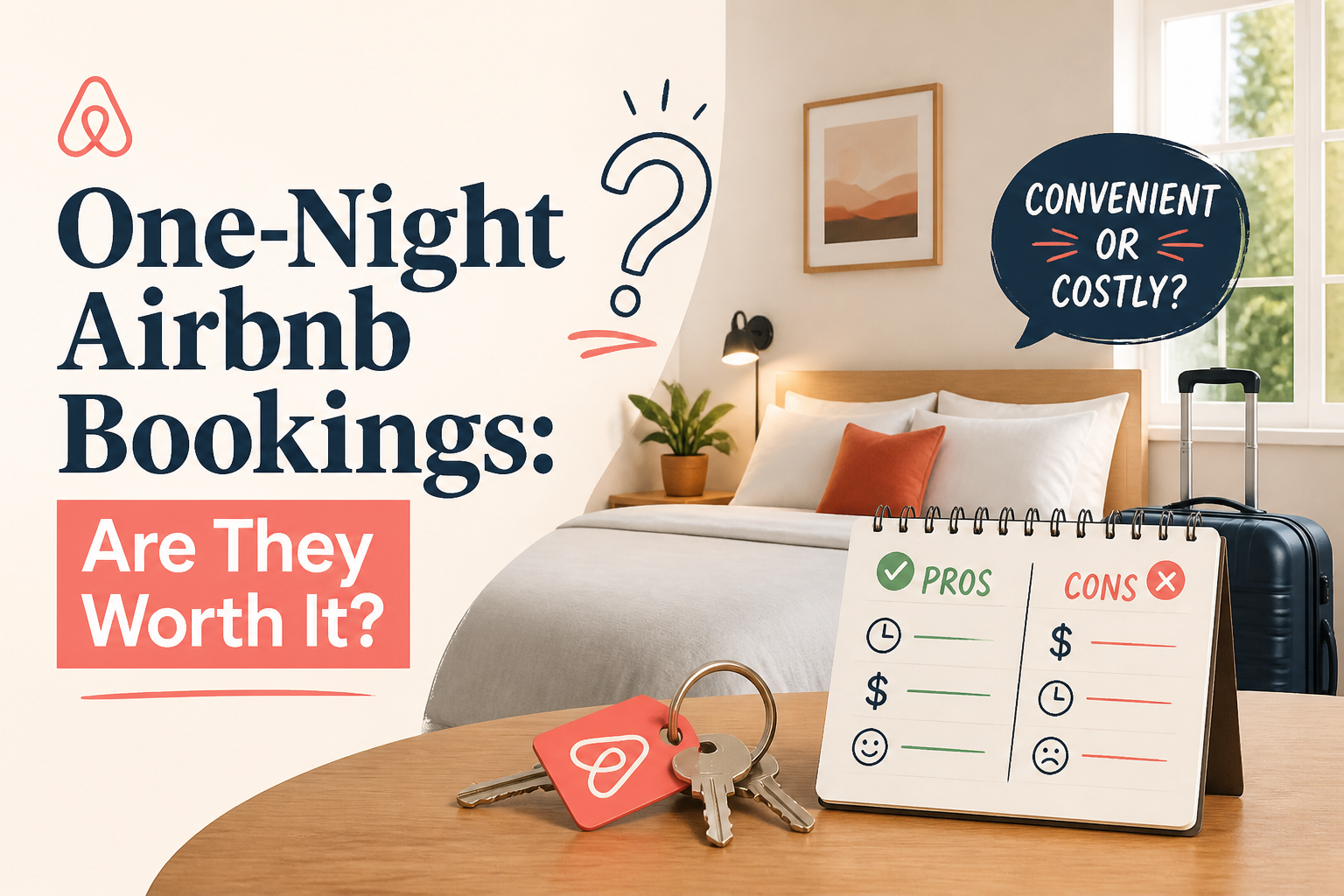 One-Night Airbnb Bookings: Are They Worth It?
The nightly rate looks fine. The cleaning fee is included. Then you run the actual numbers — and everything changes. Here's what experienced hosts have figured out about one-night stays.
6 min read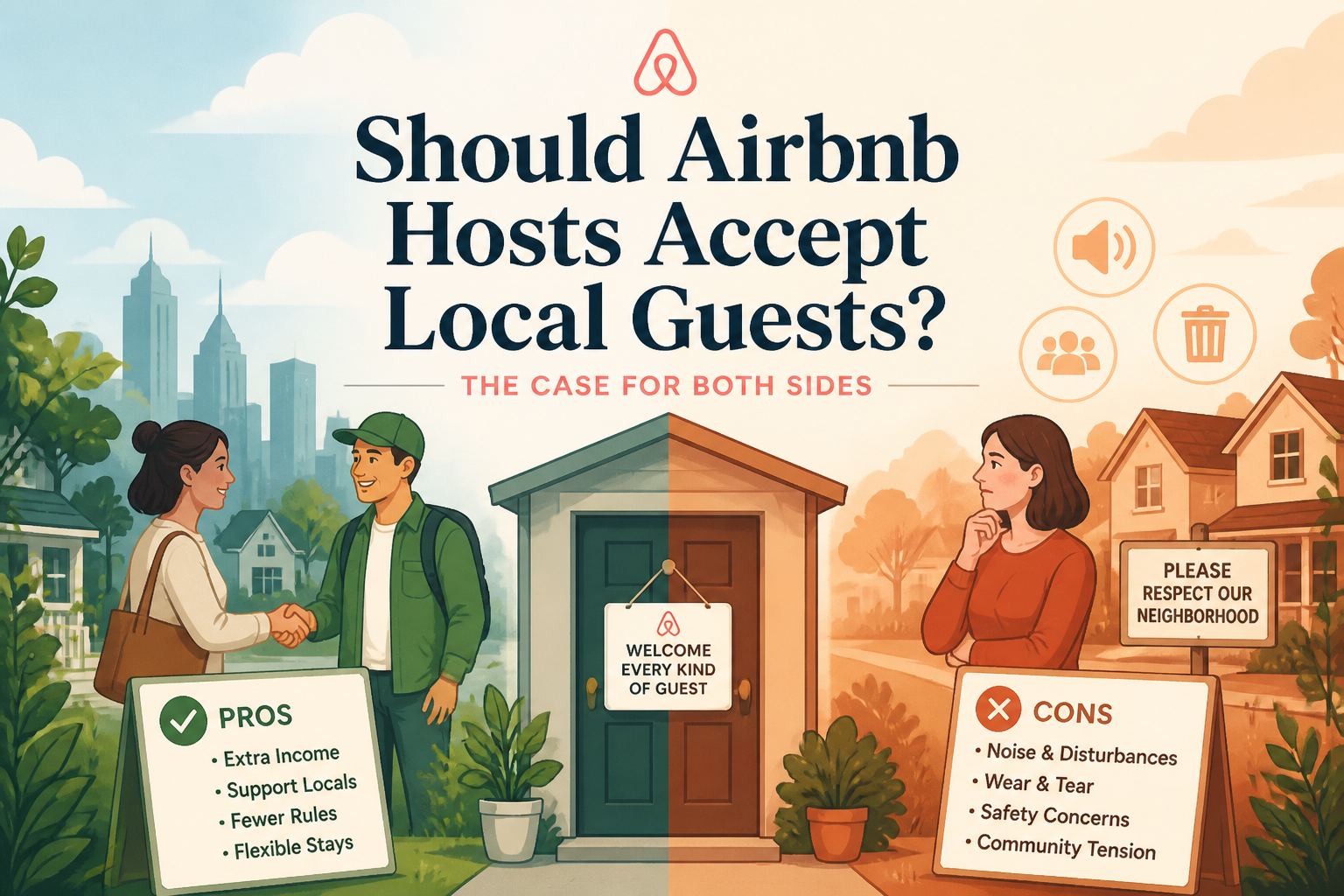 Should Airbnb Hosts Accept Local Guests? The Case for Both Sides
Few hosting decisions divide opinion more sharply than whether to accept guests who live nearby. Here is what hosts on both sides have learned from experience.
5 min read