
The Real Numbers Behind Pet-Friendly Vacation Rentals
Some hosts say allowing pets fills their calendar. Others say it emptied their wallet. The difference almost always comes down to how prepared they were before the first dog arrived.

One host manages eight rental units. More than half of her bookings involve guests bringing dogs. She describes allowing pets as one of the best decisions she has made for her business, and she believes hosts who have not considered it are leaving a meaningful amount of revenue on the table.
Another host tried allowing pets, absorbed the cost of stained furniture, scratched floors, hair embedded in linens she could not fully clean, and a smell that lingered in the property long after the guests had gone. By the time she calculated what the pet fees had actually covered versus what the additional cleaning and replacements had cost, she was running at a loss on every pet booking. She does not allow pets anymore. Her calendar is just as full.
Both of these hosts are describing their real experience. The reason their conclusions are so different is not that one is right and the other is wrong. It is that their properties, their markets, and their setups are fundamentally different. The question of whether to allow pets is not a question about pets. It is a question about fit.
What the Demand Side Actually Looks Like
The demand for pet-friendly accommodation is real and significant. Hosts in various markets report that anywhere from twenty to sixty percent of their bookings involve guests bringing animals, with dogs making up the vast majority of those stays.
The reason is structural. Hotels that accept pets are relatively rare, and the ones that do often charge significant fees or restrict animals to certain room types. Vacation rentals fill a genuine gap in the market for travelers who will not leave their pets behind and need accommodation that actually works for them, not just technically permits animals.
One host described it plainly: allowing pets is one of the top reasons guests choose vacation rentals over hotels in the first place. For pet owners, the ability to bring their dog is not a nice bonus. It is often the deciding factor in where they book. Hosts who offer it compete for a segment of travelers that a large portion of the market cannot serve at all.
In rural areas, properties near hiking trails or outdoor destinations, and listings marketed to families, the pet-friendly segment tends to be particularly strong. One host in Australia estimated that about half of her guests bring dogs. A host in Quebec said pet bookings represent roughly twenty percent of his total business. A host who opened her mountain cabin to pets for the first time this year described the experience as smooth from start to finish.
What the Risk Side Actually Looks Like
The risks of allowing pets are also real, and hosts who dismiss them have usually not hosted enough pet stays to have encountered the full range of outcomes.
The most commonly cited problems are hair in the linens and on furniture, odors that absorb into fabric and are difficult to fully remove, nail scratches on wood floors and furniture, and occasional urine damage that can be expensive to address. One host described a grey leather couch that was scratched and chewed by two dogs a guest had brought, one of them uninvited and unregistered. Before photos and video saved her from a dispute, but the couch did not survive the stay.
Another host described what happened to her margins over the period when she allowed pets: the additional cleaning costs, the replacement of pillows and rugs, the extra time her cleaner needed, and the occasional booking cancellation from subsequent guests who noticed the smell all added up to nearly eliminating the profit from the pet fees she had collected. She was effectively subsidizing her pet guests out of her own income.
The smell question comes up repeatedly and deserves specific attention. Properties that host pets regularly can develop a persistent ambient scent that is not always detectable to the host but is immediately noticeable to guests who are not used to it. One host noted that vacation rentals which allow pets develop a particular feel over time that even thorough cleaning does not fully reset. For some hosts this is an acceptable trade. For others it represents a permanent downgrade to the guest experience they are trying to deliver.
The Setup Question Is the Real Question
The hosts who allow pets successfully and the hosts who tried and stopped tend to differ not in their willingness to accept animals but in how their properties were configured before the first pet arrived.
Hard floors clean more easily than carpet. Leather furniture wipes down and does not hold hair or odors the way fabric does. A fenced yard gives dogs somewhere to go without needing to be walked through shared spaces. An air purifier running between stays reduces ambient odor. A robot vacuum on each floor catches hair before it migrates into linens and furniture crevices. HVAC filters replaced after every pet stay prevent the smell from cycling through the property's air system.
One host who allows up to four dogs simultaneously has designed his property specifically around that policy. He described his non-pet guests as regularly surprised to learn animals have been in the property, which tells you something about what thorough preparation and consistent turnover can achieve. His setup required investment and intention. But the pet-friendly designation fills a consistent share of his calendar at a higher rate than comparable listings nearby.
The Fee Structure Matters More Than Most Hosts Realize
One of the most common mistakes hosts make when opening their property to pets is setting a fee that sounds reasonable without calculating whether it actually covers the additional cost.
A fifty-dollar cleaning fee per stay sounds like fair compensation until you add up what a thorough post-pet turnover actually costs: the additional cleaning time, the filter replacement, the extra laundry cycle for furniture covers, the periodic deep clean to address odor buildup. For some properties that math works. For others, a flat fee per stay does not come close to covering what each pet booking actually costs to clean after.
Hosts who charge per pet, per night, or who build the cost of pet accommodation into a higher base rate for pet-friendly stays tend to have better margins than those who add a single flat fee and hope for the best. The fee structure is part of the policy, and getting it right is as important as deciding to allow pets in the first place.
What to Do Before You Decide
If you are considering opening your property to pets for the first time, two questions are worth answering honestly before you change your listing.
First: is your property physically configured to handle it? Not just willing to handle it, but actually set up to make pet stays clean, manageable, and not damaging to the guest experience for the next booking after every pet stay.
Second: does your market have meaningful demand for pet-friendly accommodation? A rural property near outdoor activities in an area where many guests drive rather than fly is in a different position than an urban apartment where most guests arrive without luggage large enough to transport an animal.
If the answer to both questions is yes, the revenue case for allowing pets is strong. If the answer to either is no, the revenue you gain from pet bookings is likely to be offset by costs you did not fully anticipate. The decision is worth making deliberately rather than by default.
Airbnb optimization specialist, Superhost, and founder of one of the largest Airbnb host communities.
Continue Reading
Chosen for you from The Optimization Journal.
 How to Make a Pet-Friendly Airbnb Actually Work
Allowing pets is a business decision, not just a gesture of goodwill. The hosts who get it right have built specific systems around it. Here's what those systems look like.
5 min read How Check-In Flexibility Becomes One of Your Best Hospitality Tools
The gesture that costs you nothing can be worth more than any amenity you add to your listing. Here's how to make check-in flexibility work in your favor.
5 min read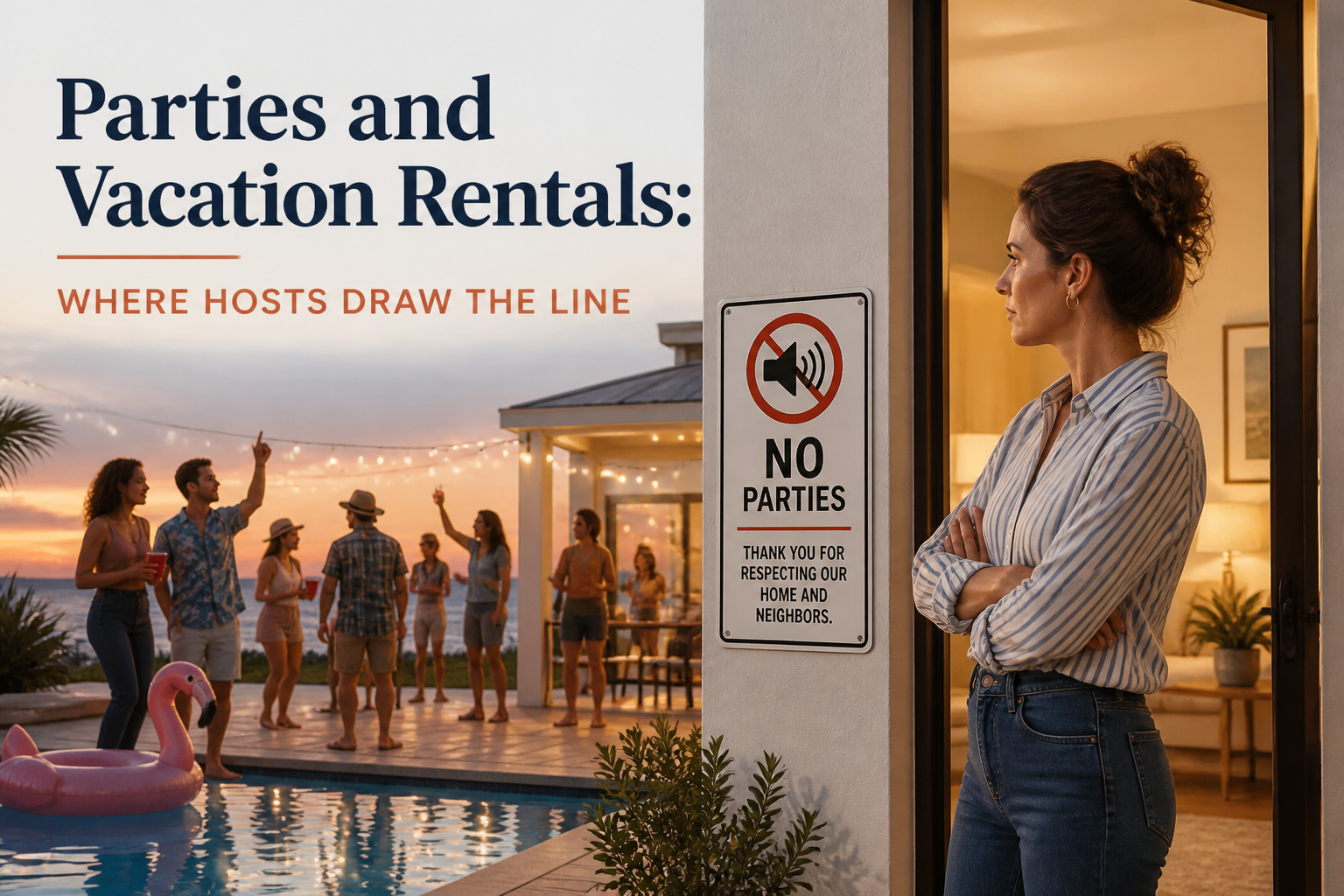 Parties and Vacation Rentals: Where Hosts Draw the Line
Every host eventually gets a booking that makes them pause. How you respond to that moment — before it becomes a problem — is what separates a clear policy from a costly lesson.
5 min read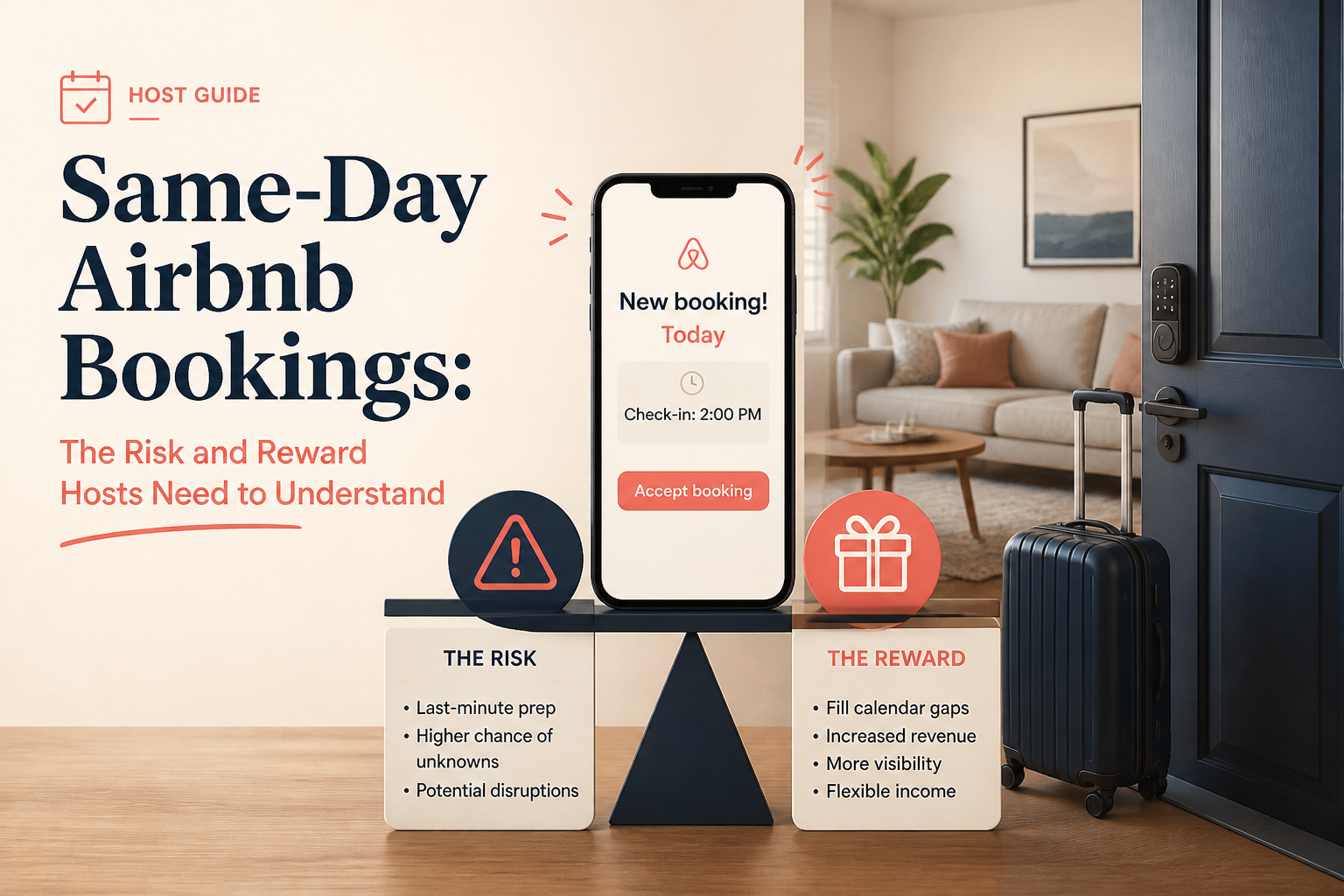 Same-Day Airbnb Bookings: The Risk and Reward Hosts Need to Understand
Two hosts. Same situation. Completely opposite experiences. The difference between them was not luck — it was systems.
6 min read How to Write an Event Policy That Actually Protects Your Vacation Rental
A no-party rule is only as good as how clearly it's communicated. Here's how experienced hosts define, enforce, and occasionally profit from their event policies.
5 min read