
Should You Trust Airbnb to Screen Your Guests — or Do It Yourself?
Airbnb has a verification system. But a growing number of hosts have stopped relying on it alone — and what they've found has changed how they host.
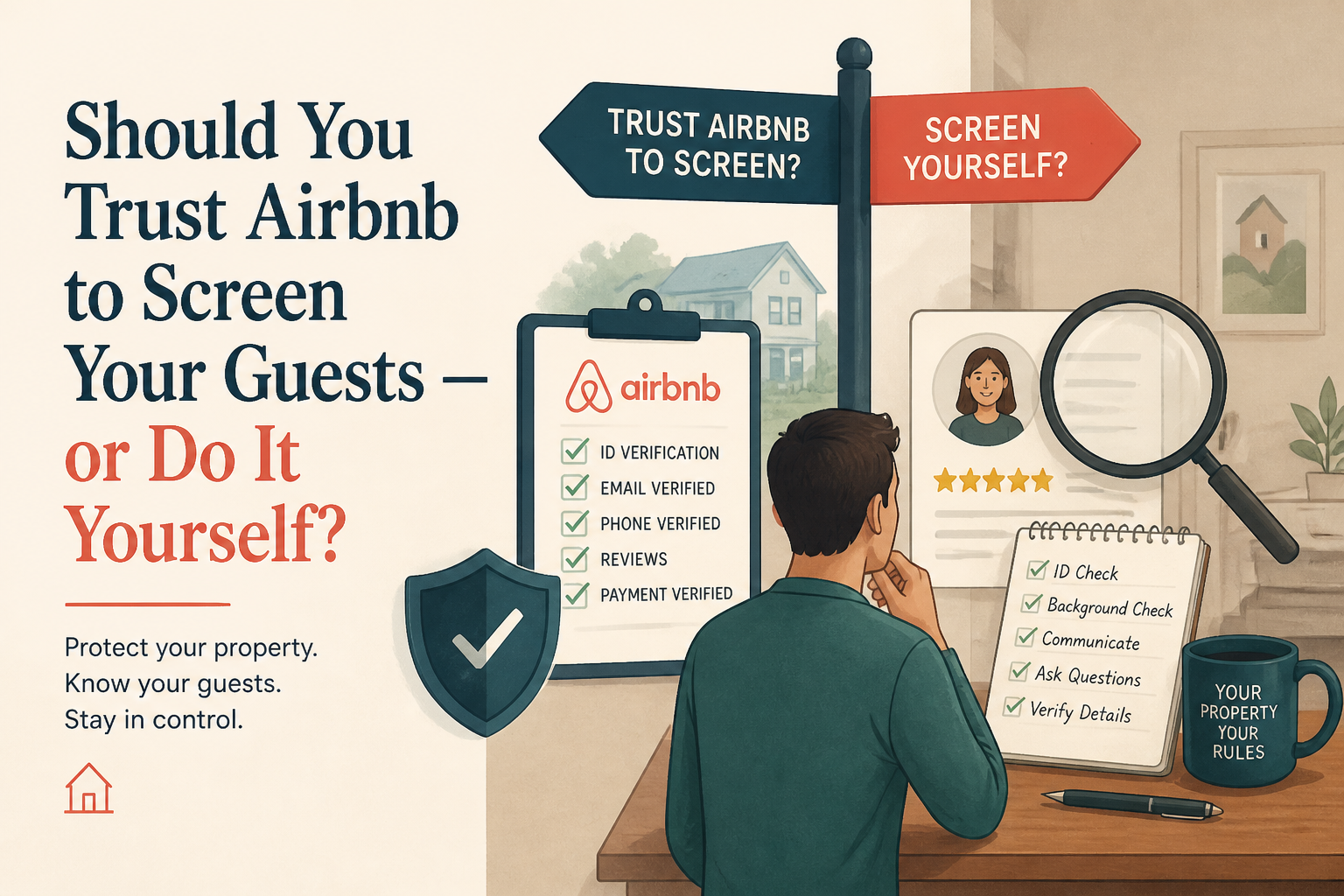
Every booking begins with a version of the same moment. A request comes in. You look at the profile. You make a judgment call with incomplete information. And then you hand over the keys to your home to someone you have never met.
Most hosts accept that uncertainty as part of the business. But how much of it you are willing to absorb, and how much you try to reduce through your own screening, is one of the most consequential decisions you will make as a host.
Airbnb has a verification system. Guests can earn a verified badge by submitting identification documents. The platform uses that badge, alongside reviews and profile completeness, as a signal of trustworthiness. For many hosts, that is enough. For others, it is nowhere near enough. And the gap between those two positions is wider than most new hosts expect.
What Airbnb's Verification Actually Means
It is worth being precise about what the platform's verification badge does and does not tell you.
A verified badge means a guest submitted a document. It does not mean that document was independently confirmed against any external record. It does not mean the person has no criminal history. It does not mean the account has not been created to replace an older account with negative reviews. And it does not prevent a guest from changing their name on the platform after a stay, which some hosts have watched happen within hours of checkout.
Guests can also create new accounts if their existing one accumulates bad reviews. Several hosts have pointed out that they have seen guest accounts with no country of residence listed, no profile photo, and no trip history — accounts that passed Airbnb's verification requirements because there was no requirement to provide much in the first place.
None of this means the platform's verification is worthless. For the vast majority of guests it functions adequately. But it means that relying on it as your only layer of screening is accepting a level of risk you may not have fully measured.
What Hosts Who Screen Independently Have Found
A number of experienced hosts have moved beyond platform verification entirely and built their own screening systems. The tools they use vary, but the motivation tends to be the same: they wanted to know who was actually coming through their door, not just who passed a minimum threshold to create an account.
One host who runs background checks as a matter of course shared a figure that stopped conversations in a hosting community cold. Of the ten guests she vetted in a single year, two had either been evicted from a prior residence or carried a criminal record. One of those records involved human trafficking. Both had passed Airbnb's verification.
Other hosts describe similar experiences in less dramatic terms. A guest who changed their name after checkout. A booking from an account created the day before, with no history and no explanation of the purpose of the stay. A third-party booking, where the person who actually stayed was not the person who made the reservation.
The hosts who have implemented independent screening consistently report fewer of these situations, not because bad actors do not try to book but because the additional friction of being asked for a photo ID, signing a rental agreement, or completing a third-party verification process tends to discourage them before the booking is even confirmed.
The Tools Hosts Are Using
Independent screening does not have to mean manually reviewing documents for every guest. A number of tools have emerged specifically to handle this for short-term rental hosts.
Truvi is one of the most commonly mentioned in hosting communities. It handles identity verification independently of the platform and can be required as a condition of completing a booking through direct channels.
Autohost, often used alongside Enso Connect, automates a more comprehensive process: collecting a guest's ID, a selfie, registration details, and a signed digital rental agreement, then running a background check and generating a recommendation. The host receives a signal rather than having to evaluate raw documents themselves.
BeenVerified and Forewarn are used by some hosts for manual checks before arrival, surfacing information such as prior evictions, DUI convictions, or harassment records that would not appear in any platform verification process.
Some hosts take a simpler approach: requiring a matching photo ID after booking and a signed rental agreement before check-in. It is less automated but establishes a paper trail and filters guests who are unwilling to provide basic verification.
The Case for Trusting the Platform
Not every host needs or wants an independent screening system, and there are legitimate reasons to keep things simple.
Hosts who keep Instant Booking on and rely on Airbnb's verification report that it allows them to focus on what they actually enjoy about hosting: preparing the space, communicating with guests, and delivering a good experience. The energy that would go into manual screening goes into hospitality instead.
For properties in competitive markets where booking friction directly affects occupancy, adding extra steps to the process can cost bookings. Some guests, particularly experienced travelers with strong track records, will simply move on to another listing rather than complete additional verification requirements.
And for hosts whose properties are smaller, lower-value, or in markets where the guest demographic is consistently low-risk, the platform's verification may genuinely be adequate. The right amount of screening is whatever matches the actual risk profile of your property and your market, not whatever sounds most thorough in a hosting community discussion.
Finding Your Own Position
The most useful question to ask yourself is not whether Airbnb's verification is good enough in general. It is whether it is good enough for your specific property, in your specific market, given what a worst-case outcome would actually cost you.
A host managing a studio apartment in a city with strong demand and a competitive market is making a different calculation than a host with a lakefront property two hours from the nearest town. The risk profiles are different. The consequences of a bad booking are different. The screening that makes sense is different too.
Start with that calculation, rather than with what other hosts are doing. Then decide whether the platform's system is adequate for what you are actually protecting, or whether adding a layer of your own screening, however simple, would give you something the badge alone cannot: genuine confidence in who is coming through your door.
Continue Reading
Chosen for you from The Optimization Journal.
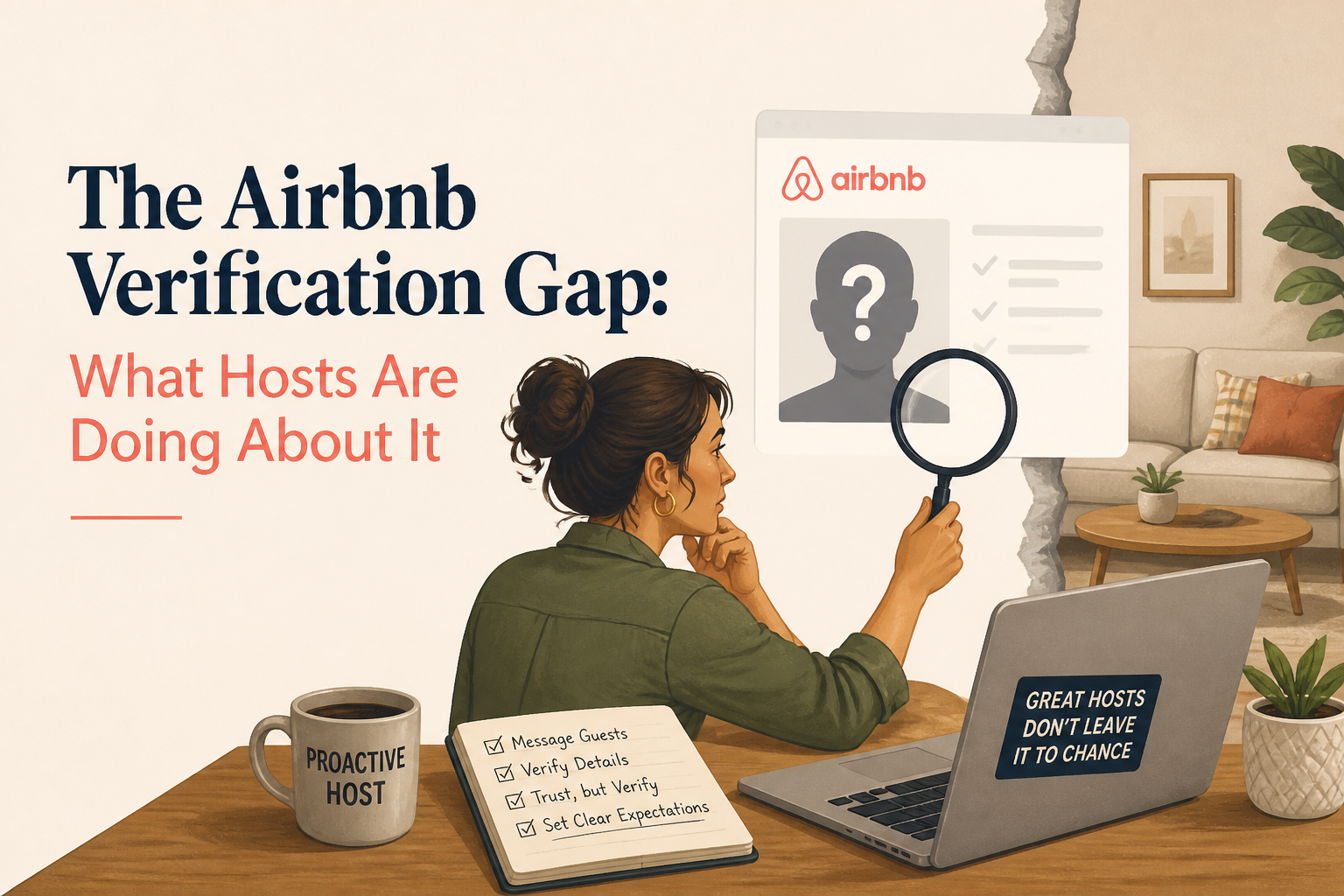 The Airbnb Verification Gap: What Hosts Are Doing About It
Guest accounts can be created, renamed, and duplicated in ways the platform's verification badge doesn't catch. Here's how experienced hosts are closing that gap.
5 min read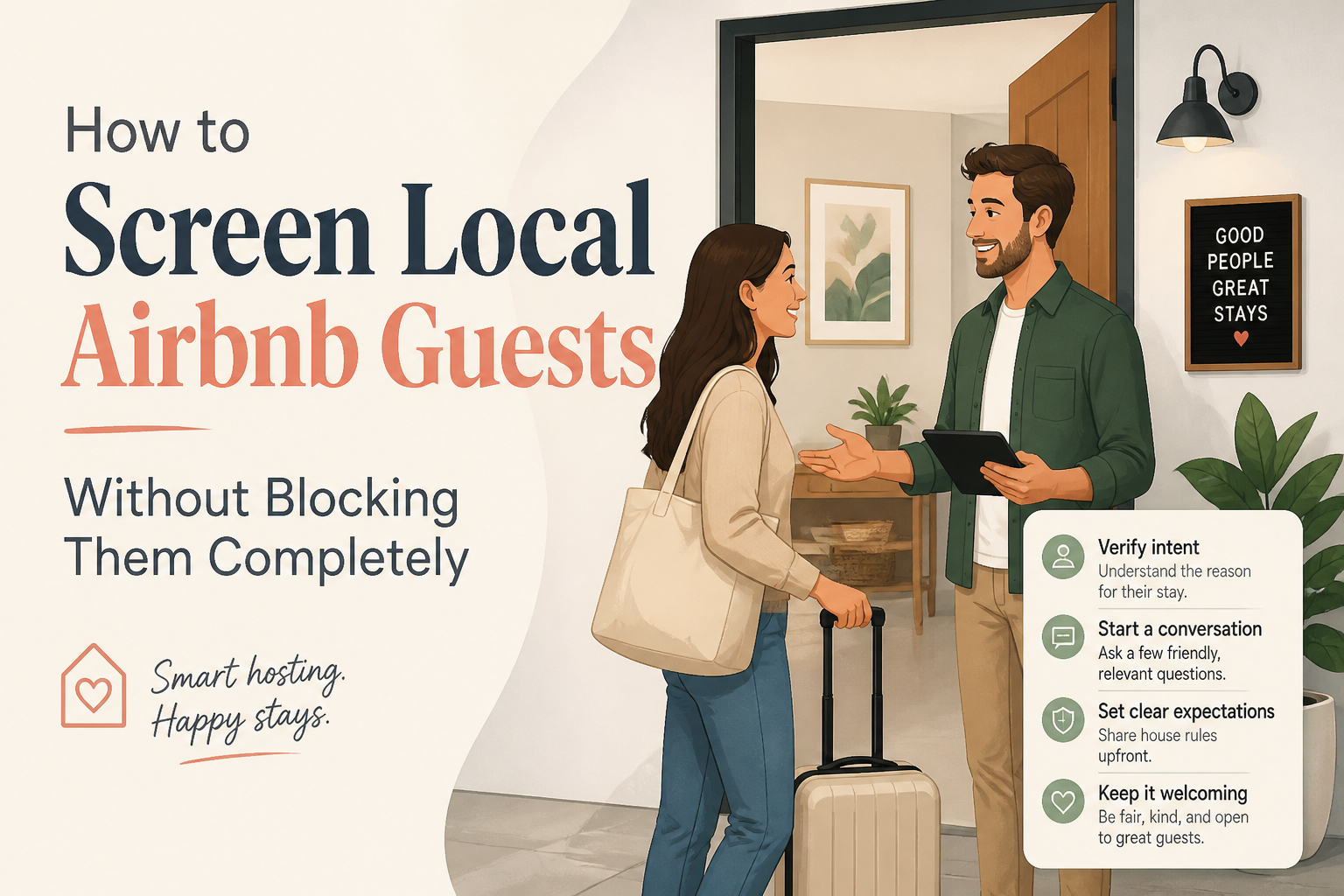 How to Screen Local Airbnb Guests Without Blocking Them Completely
A blanket no-locals policy costs you real revenue. A blanket yes leaves you exposed. Here's how experienced hosts find the middle ground.
5 min read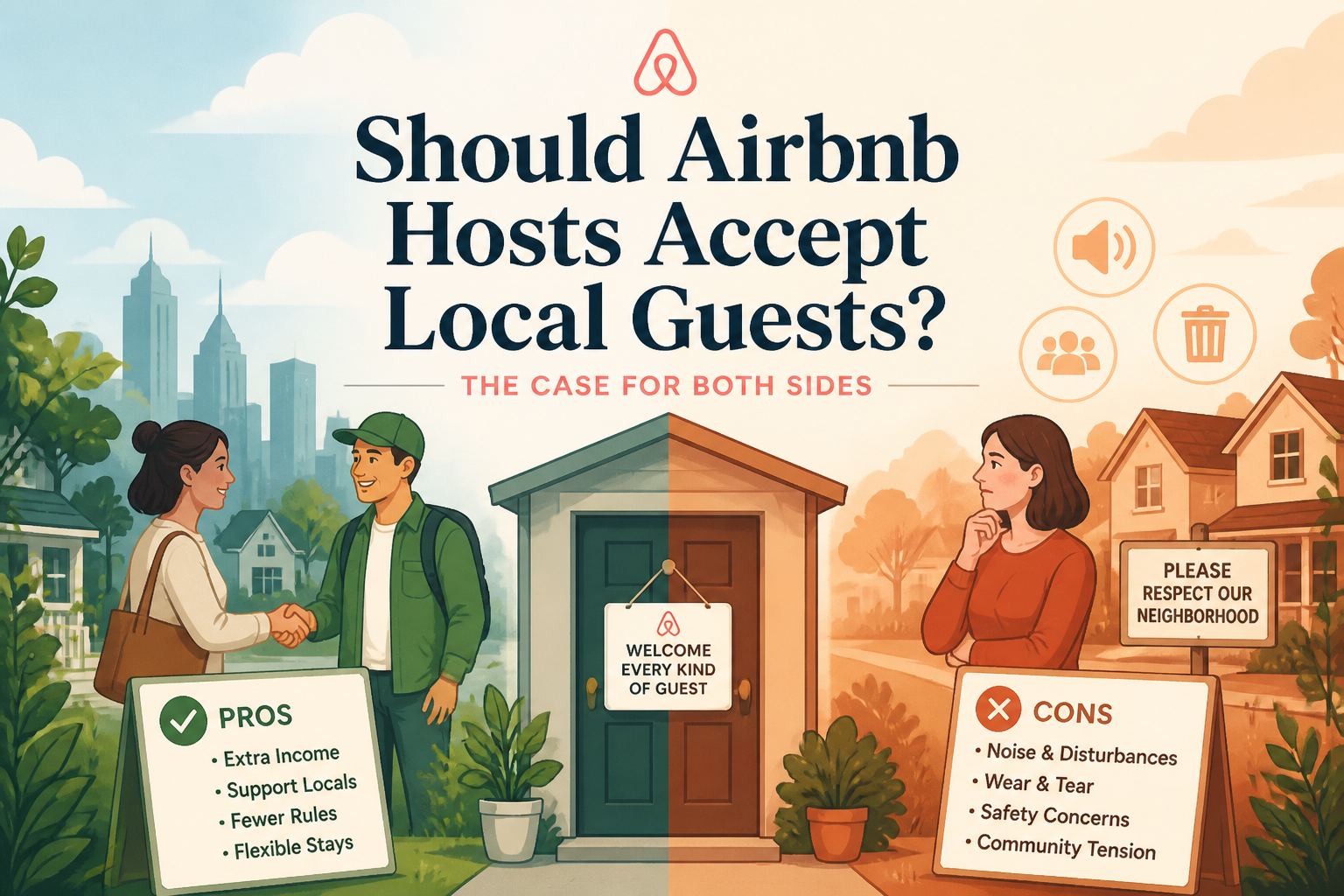 Should Airbnb Hosts Accept Local Guests? The Case for Both Sides
Few hosting decisions divide opinion more sharply than whether to accept guests who live nearby. Here is what hosts on both sides have learned from experience.
5 min read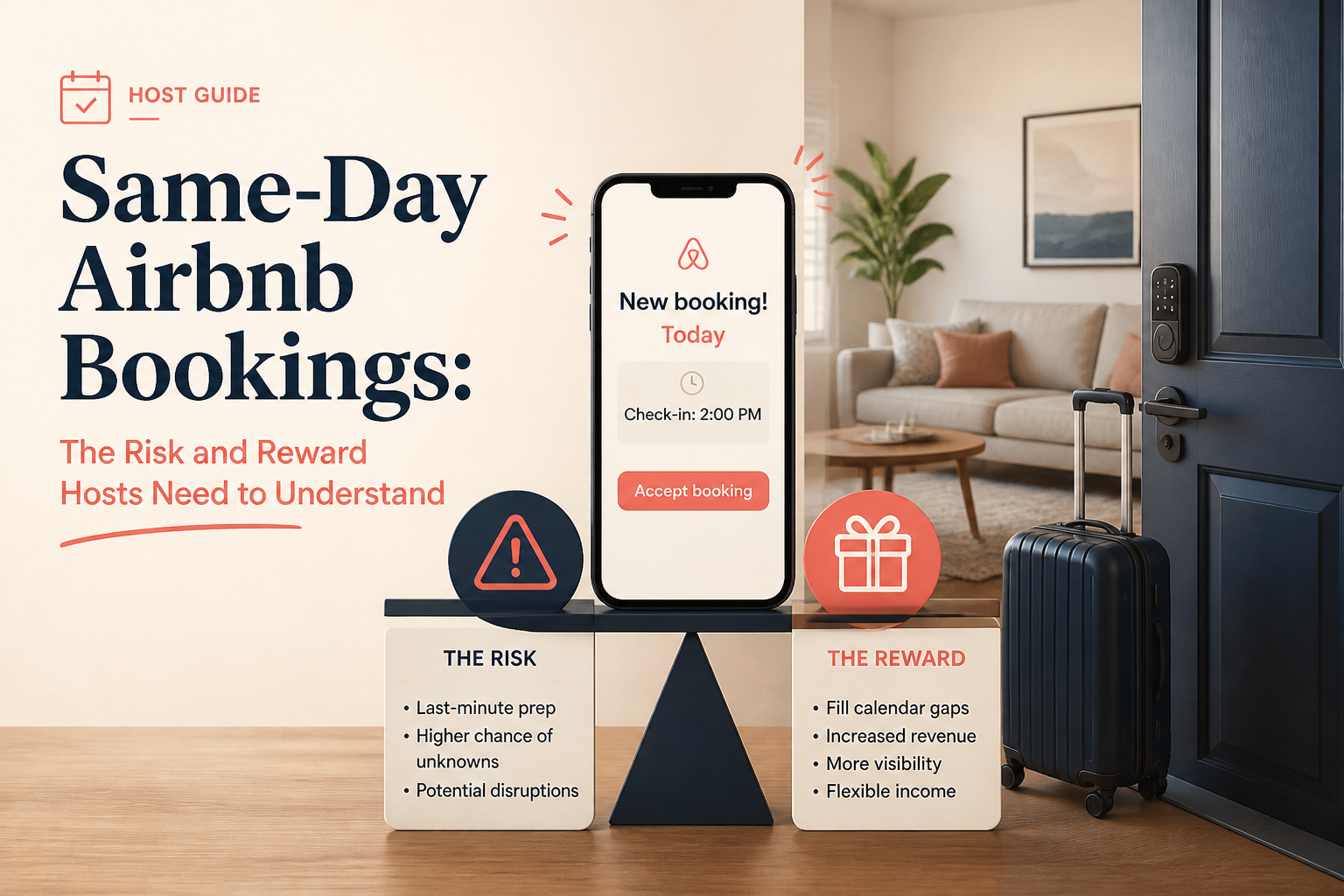 Same-Day Airbnb Bookings: The Risk and Reward Hosts Need to Understand
Two hosts. Same situation. Completely opposite experiences. The difference between them was not luck — it was systems.
6 min read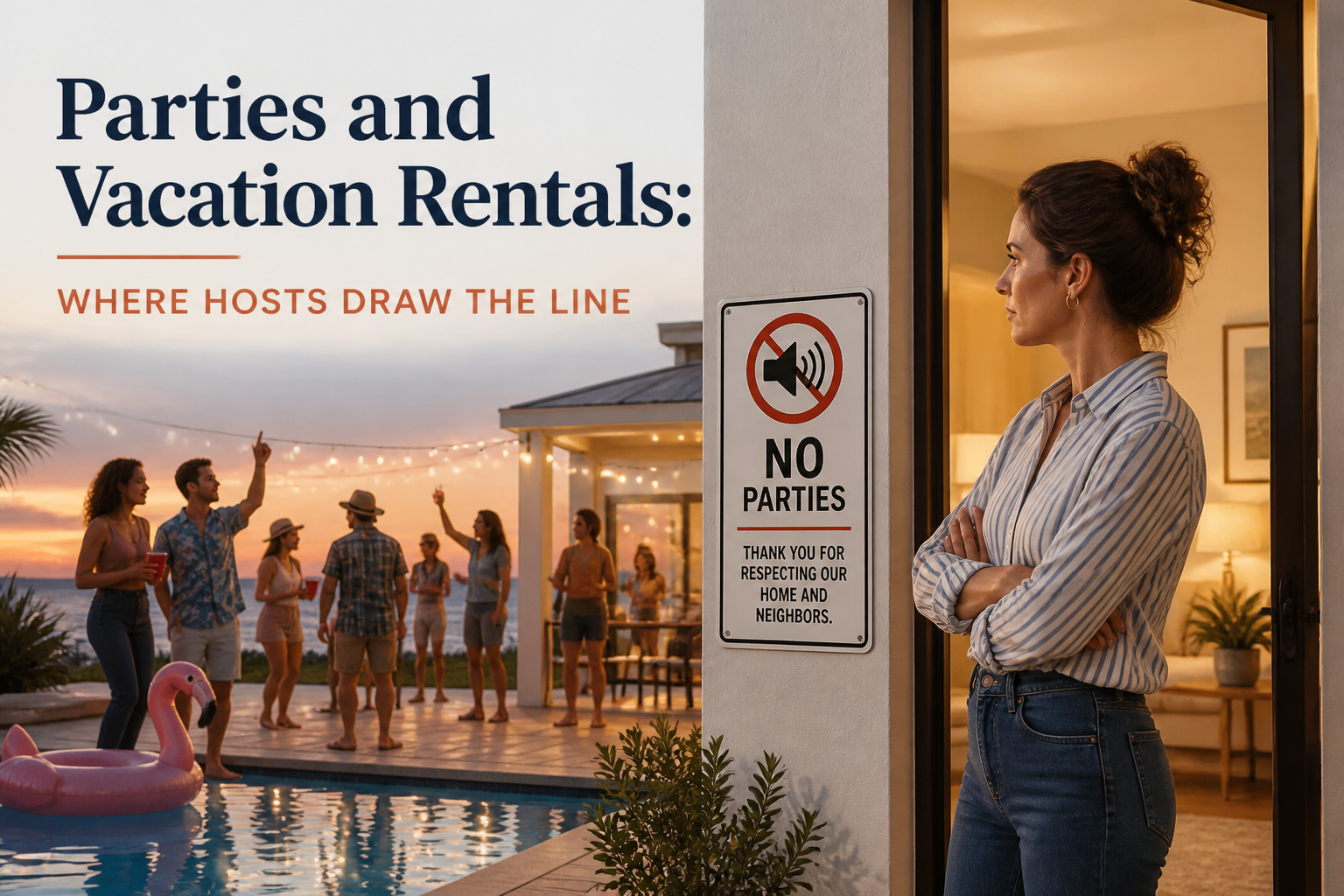 Parties and Vacation Rentals: Where Hosts Draw the Line
Every host eventually gets a booking that makes them pause. How you respond to that moment — before it becomes a problem — is what separates a clear policy from a costly lesson.
5 min read