
How to Build Personal Time Into Your Hosting Calendar Without Sacrificing Revenue
The hosts who visit their property most reliably are not the ones who wait for a gap to appear. They are the ones who created the gap first and let the rest of the calendar fill around it.

The hosts who visit their own property most regularly share one characteristic: they put their personal time on the calendar before the calendar opens to guests. Not afterward. Not in the gaps that appear. Before. The calendar fills around what is already blocked, and their visits happen reliably.
Every host who has tried to fit personal visits around existing bookings has eventually discovered that existing bookings are an extremely effective barrier to personal visits. Here is a more practical approach.
Block first, open second
When you open a new season or a new quarter of your calendar, the first entries should be the dates you want for yourself. Not maybe-dates. Not tentative dates. Actual blocked dates on the platform, treated with the same finality as a confirmed guest booking.
This sounds obvious but most hosts do the opposite. They open the calendar to guests and then try to fit personal time into whatever gaps appear. What appears is usually either nothing, because demand is high and the calendar fills, or gaps that fall on inconvenient dates that do not actually work for the visit they wanted.
Block first. The revenue-maximizing logic of keeping every date open for as long as possible sounds reasonable until you realize it reliably results in never visiting at all. A blocked week in a shoulder month costs you the revenue from that week and gives you a stay at the property you own. That trade-off, honestly evaluated, is often reasonable.
Choose which dates to block strategically
The revenue cost of blocking personal time is not the same across all dates. A blocked week during your peak season, when every night fills and the nightly rate is highest, costs more than a blocked week during your slow season, when the calendar is harder to fill and the rate is lower.
Blocking your personal time in the slow season, or in the shoulder period when demand starts to ease, recovers the benefit of visiting without sacrificing your most commercially valuable dates. You get the stay. The calendar maintains its peak season revenue. The trade-off is that you may be visiting in conditions that are not your property's best season, which depending on the property may matter more or less.
If the reason you bought the property is precisely tied to the peak season, a ski cabin in January or a beach house in August, then blocking shoulder months does not give you what you wanted. In that case, the trade-off is real and the decision is genuinely harder. It is still a decision worth making deliberately rather than defaulting into the outcome of maximum occupancy and no personal use.
Combine personal visits with maintenance
One of the most practical ways to justify personal stays financially is to structure them as maintenance visits that happen to include time to enjoy the property. A host who arrives for a personal stay and spends the first day doing inventory, scheduling the contractor for the overdue repair, deep-cleaning the oven, and replacing the bathroom supplies is also doing work that would otherwise need to be handled remotely or left until something breaks visibly.
That work has real value. Remote property management has real costs: coordination time, the gap between noticing a problem and getting someone to fix it, the things you miss entirely because you are not there. A host who visits regularly catches and addresses those things proactively, which tends to show up in better property condition, fewer reactive maintenance costs, and review scores that reflect a space that is genuinely well looked after.
Frame the personal visit as a working stay in your own accounting, not just as a leisure expense. The maintenance work it produces is a real operational benefit, and recognizing it makes the blocked dates easier to defend when the calendar feels pressured.
The pricing-up alternative
Some hosts do not block dates for personal use at all. Instead, they raise the nightly rate substantially on dates when they want to visit, to three or four times the standard rate. If a booking arrives at that rate, they consider it worth hosting and adjust their personal plans. If no booking arrives, the dates remain available to them at no formal cost.
This approach keeps the calendar technically open while making it commercially unattractive to most guests during periods the host wants for themselves. It works best in markets where demand is strong enough that some guests might book even at elevated rates, and it requires the host to actually follow through on visiting when the dates go unbooked rather than simply opening them back up.
The weakness of this approach is that it keeps the visit uncertain until the last moment, which makes planning a personal stay difficult. Guests with families, specific travel arrangements, or the need to coordinate with others may find that the uncertainty does not actually result in the visit happening. Know which kind of host you are before relying on this method.
Track whether your visits are actually happening
Whatever approach you choose, check once a year whether personal visits are actually occurring or whether they are a plan that keeps getting deferred. If the answer is deferred, the system is not working regardless of what it looks like in theory.
The goal is not a policy about personal use. The goal is actually being at the property you own, periodically, in a way that connects you to why you acquired it and maintains your relationship to it as more than an income-generating asset. If that is happening, the system is working. If it is not, something in the system needs to change.
Airbnb optimization specialist, Superhost, and founder of one of the largest Airbnb host communities.
Continue Reading
Chosen for you from The Optimization Journal.
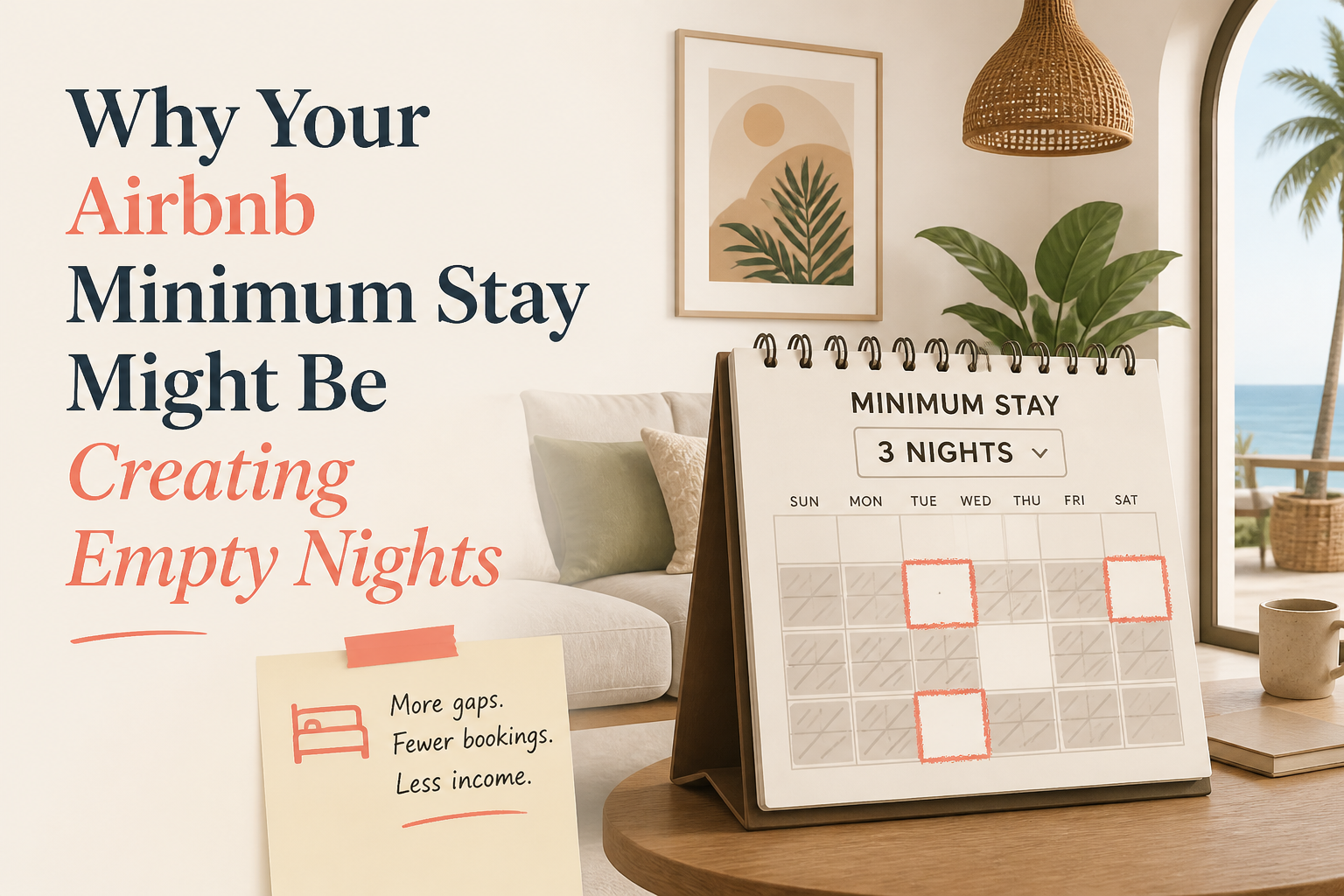 Why Your Airbnb Minimum Stay Might Be Creating Empty Nights
Minimum-stay rules can protect your calendar, reduce turnovers, and help you avoid low-value reservations. But the same rule can also create gaps that become nearly impossible to book. The trick is knowing when to hold your minimum and when the calendar is telling you to adjust it.
5 min read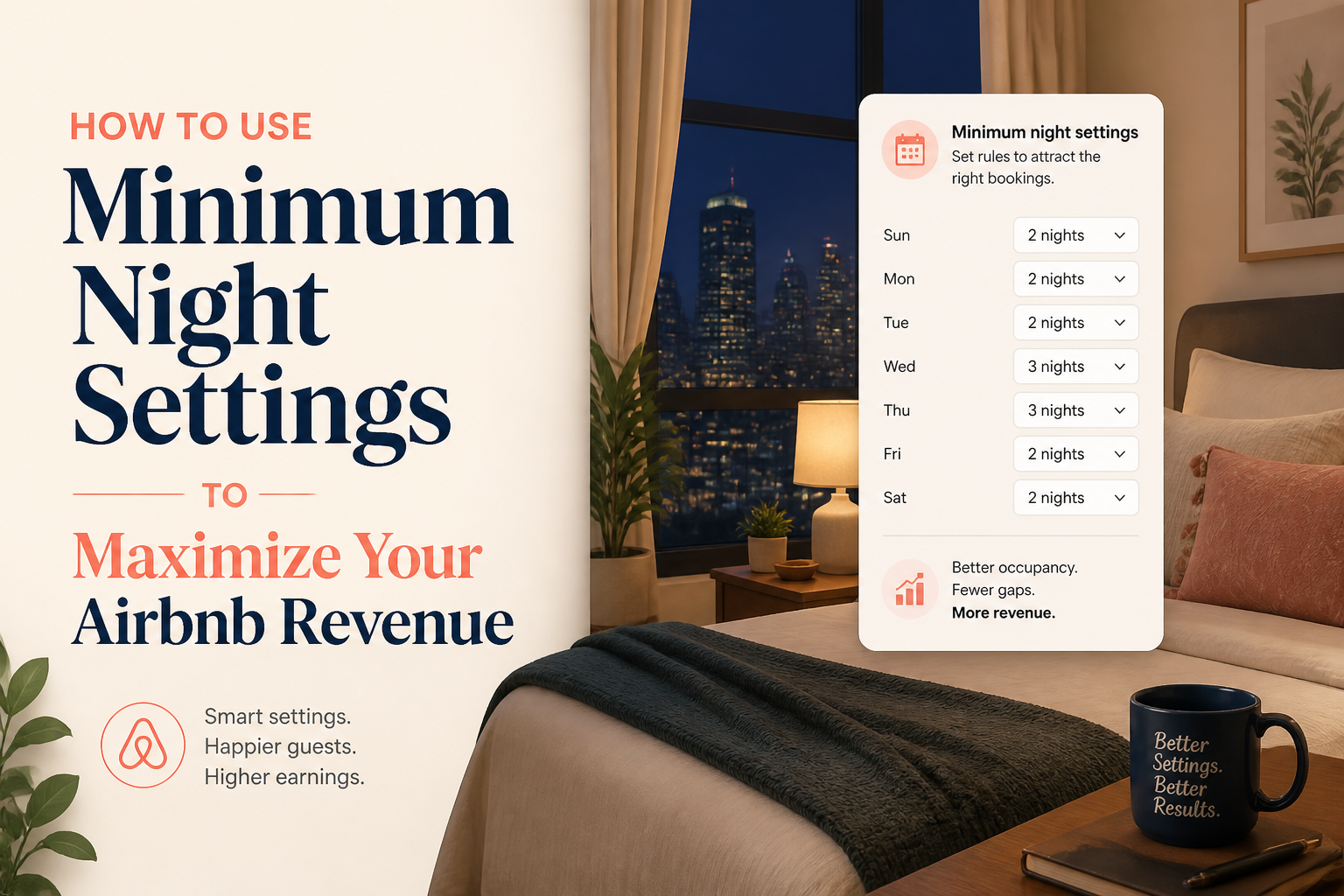 How to Use Minimum Night Settings to Maximize Your Airbnb Revenue
Your minimum stay setting is one of the most powerful levers in your listing — and most hosts set it once and never revisit it. Here's how to use it more strategically.
5 min read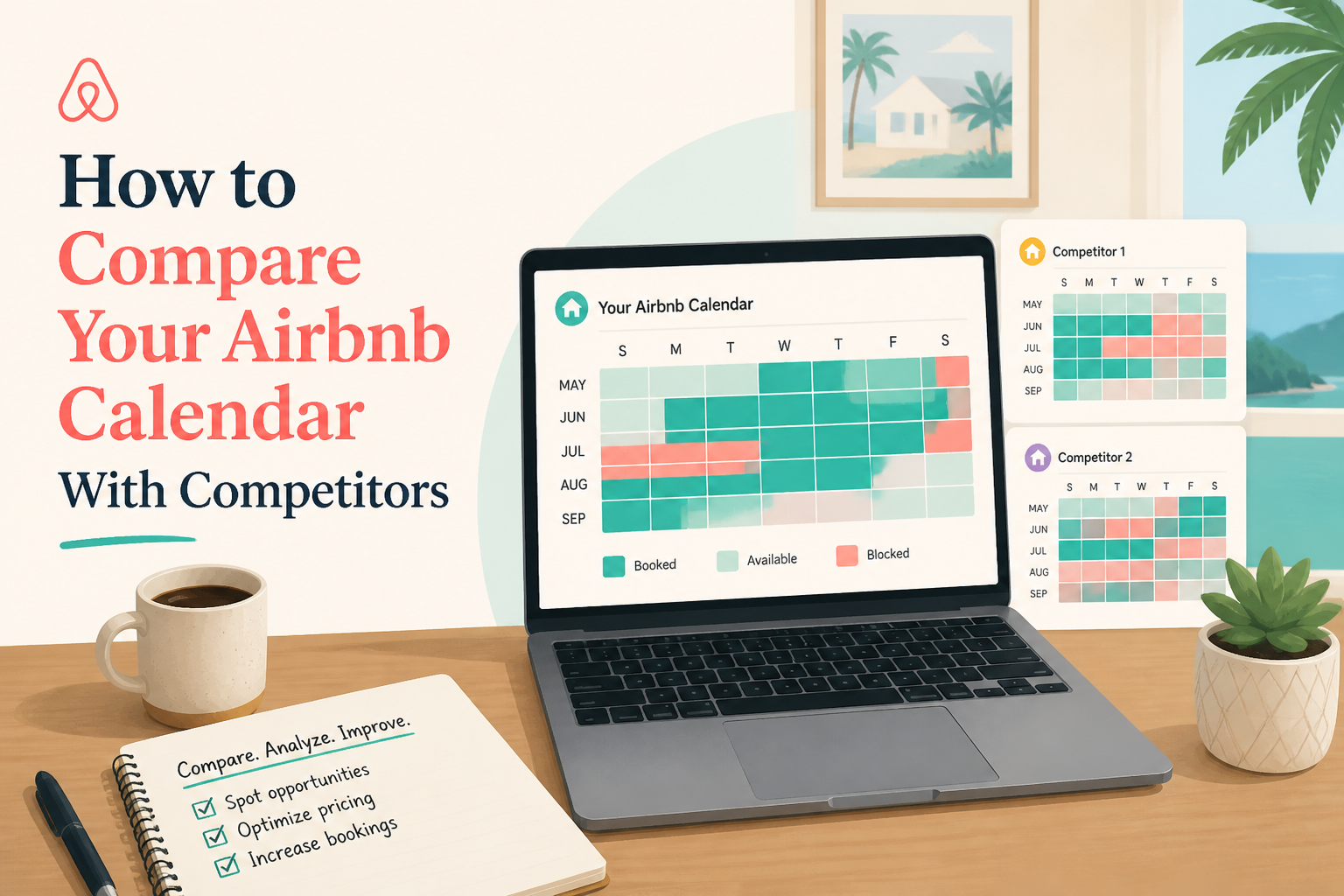 How to Compare Your Airbnb Calendar With Competitors
Looking at competitor calendars can help you understand whether a slow period is specific to your property or happening across your market. But availability does not automatically mean a property is struggling, and blocked dates do not necessarily mean bookings. Here is how I would use competitor calendar data without reading too much into it.
5 min read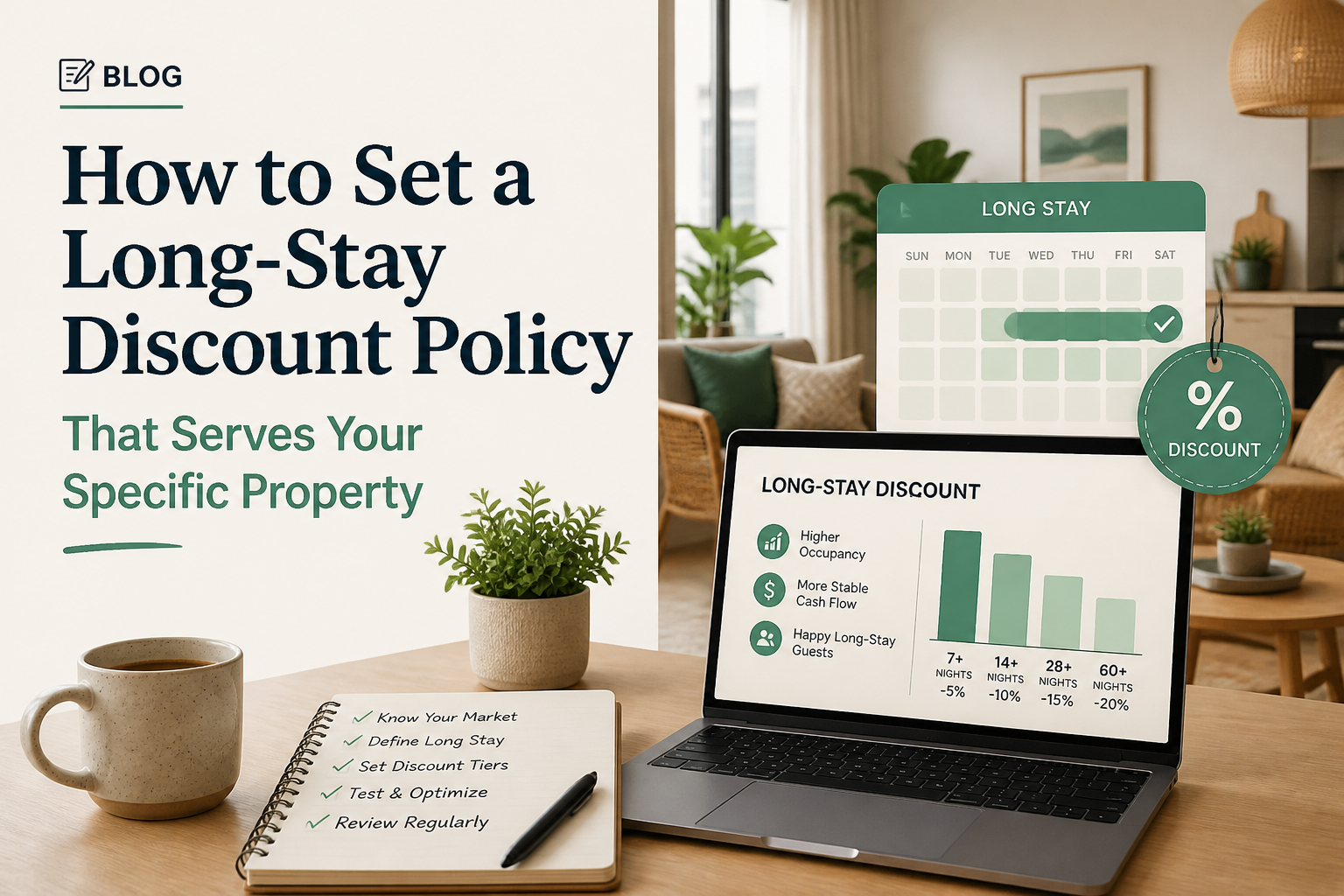 How to Set a Long-Stay Discount Policy That Serves Your Specific Property
A long-stay discount that makes sense for one host can cost another host money they did not know they were giving away. Here is how to figure out which situation you are in.
4 min read How Check-In Flexibility Becomes One of Your Best Hospitality Tools
The gesture that costs you nothing can be worth more than any amenity you add to your listing. Here's how to make check-in flexibility work in your favor.
5 min read